After eleven years, Rio Fashion Week returned to the calendar, repositioning Rio de Janeiro as a relevant stage and, in a way, decentralizing the protagonism of São Paulo Fashion Week as the main showcase of national fashion.
And the question that naturally arises is: did it deliver on its promise?
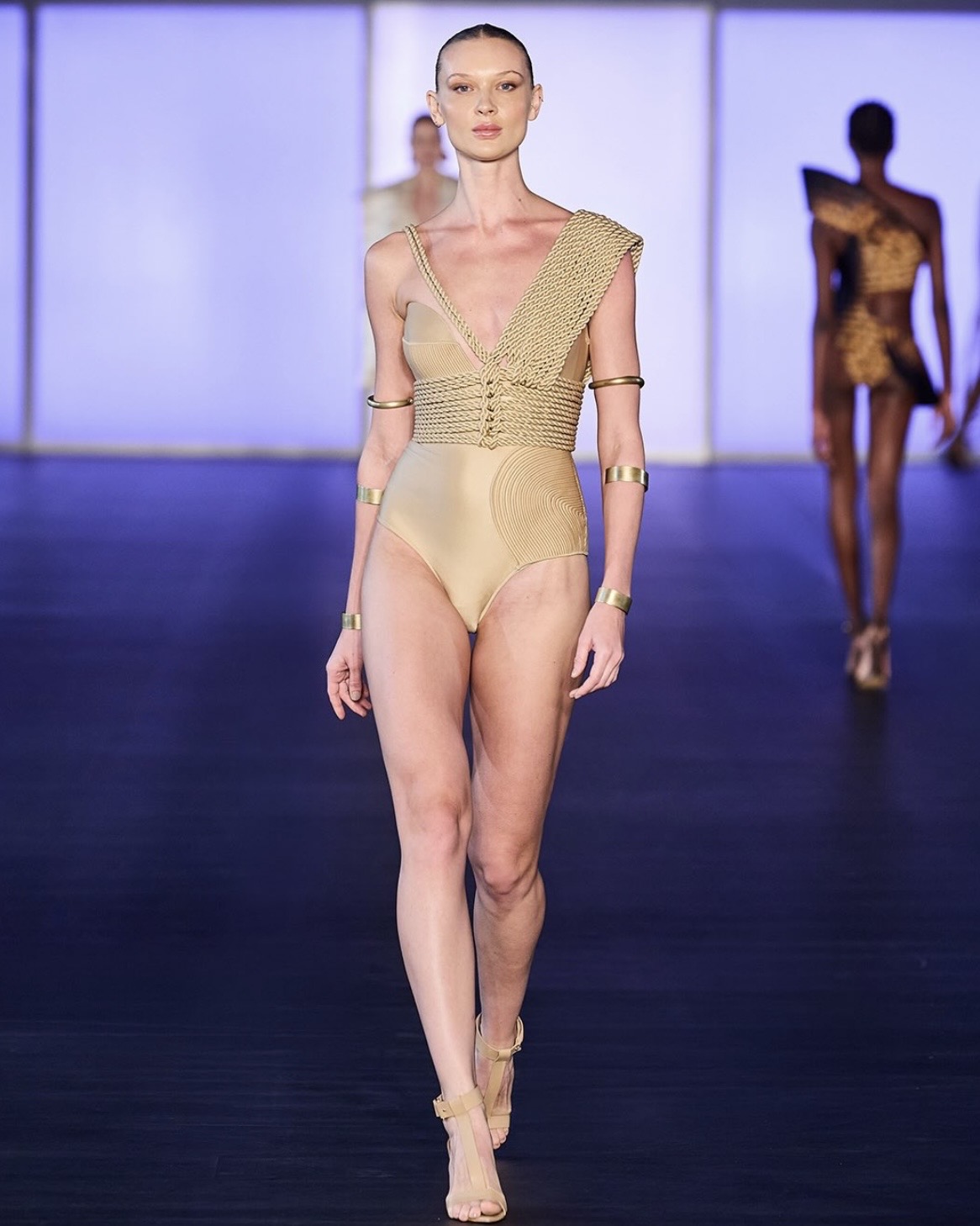
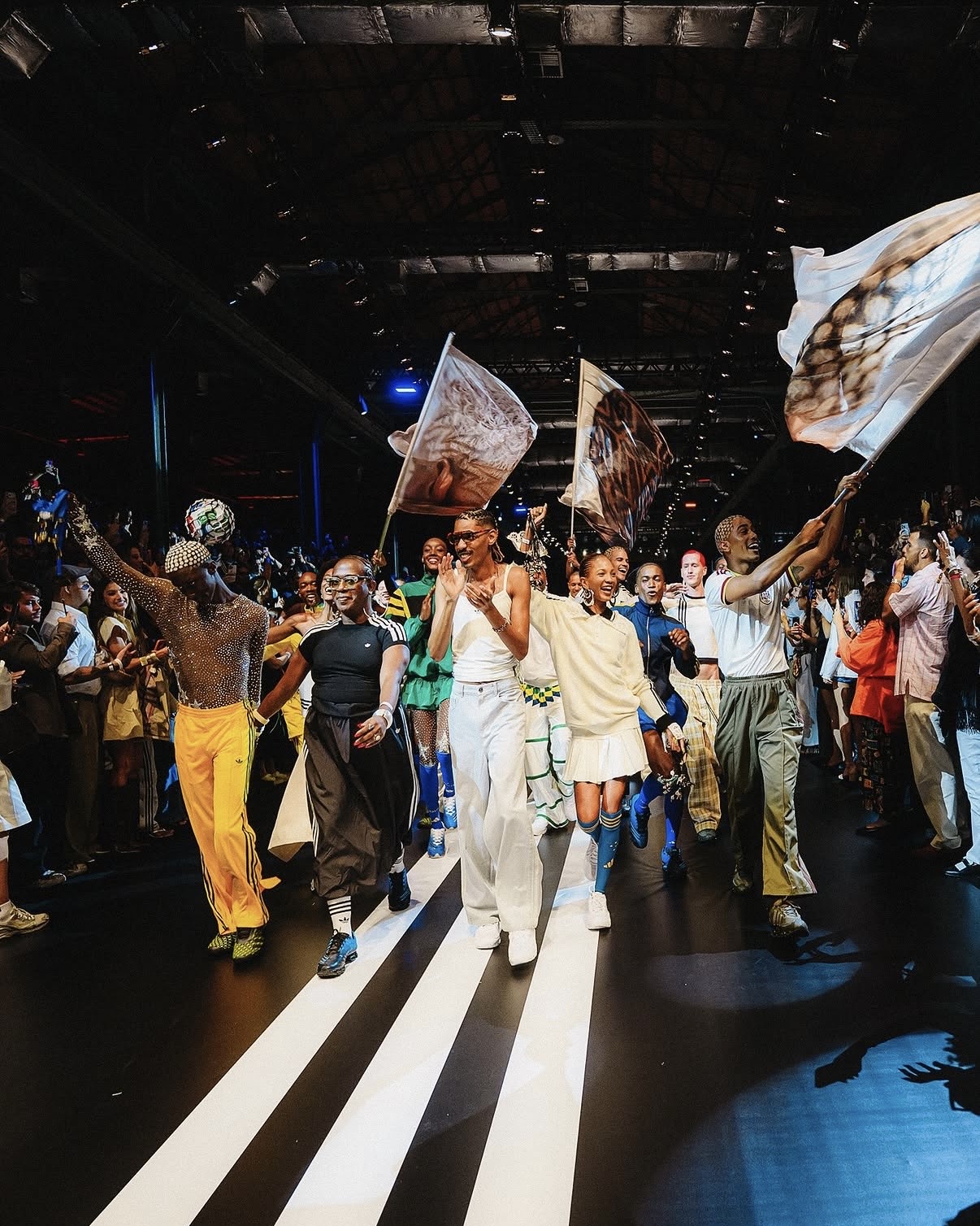
With effective marketing, a well-built digital presence, and a charismatic visual identity, RFW presented a very diverse line-up. Still, the curation raises questions. With only two beachwear brands, a segment so emblematic for Rio, and the presence of Adidas, the question remains: does this truly represent what Rio has to show? And, more than that, is this what we want to see?
In part, yes. The brands exhibited function as a synthesis of what Rio produces today. But, as a narrative of recovery, the feeling is that it could have gone further. The event delivered charm, identity, and the Carioca flair that is expected, after all, “Brazil is in fashion”! But precisely for that reason, it needs and deserves to be more.
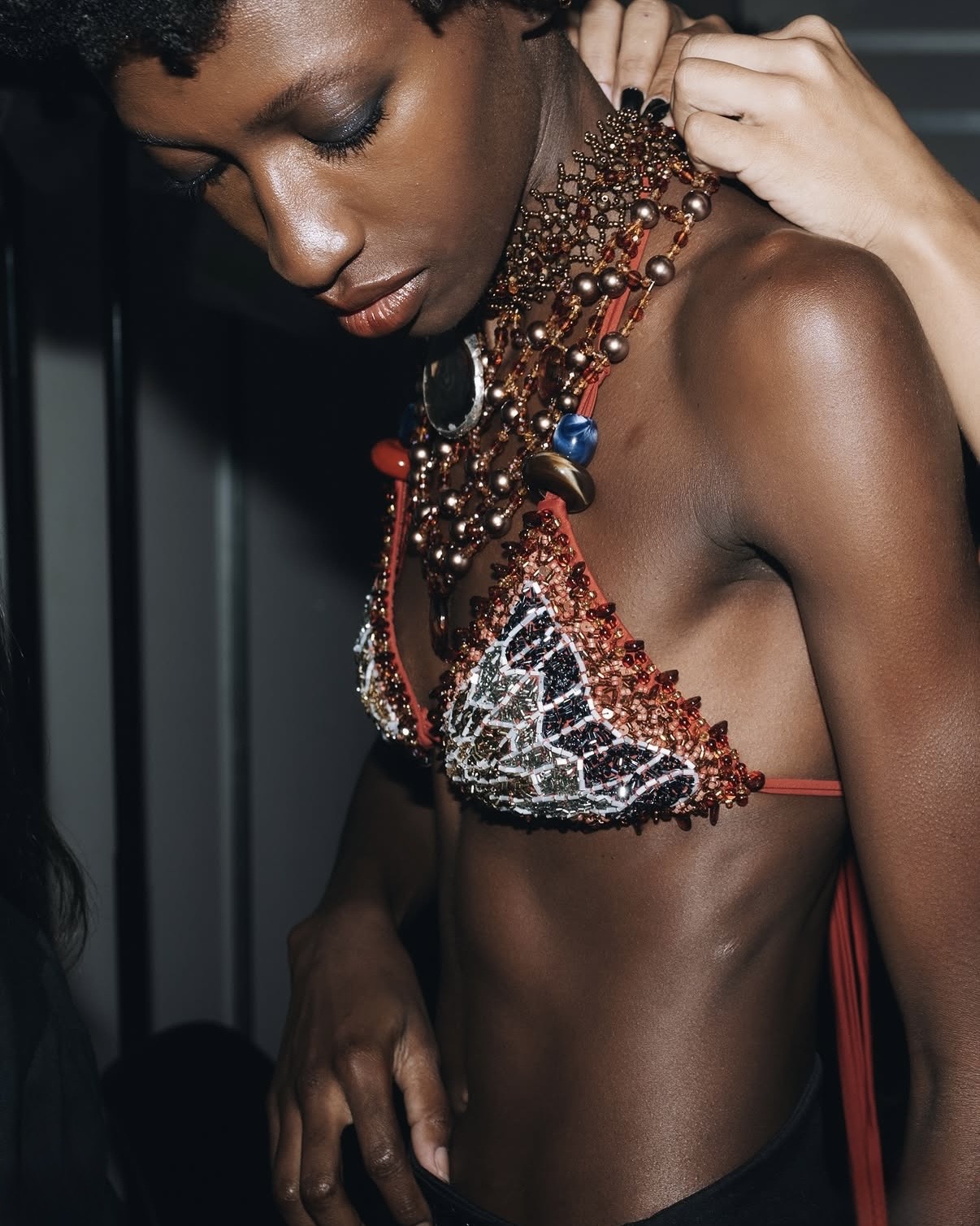
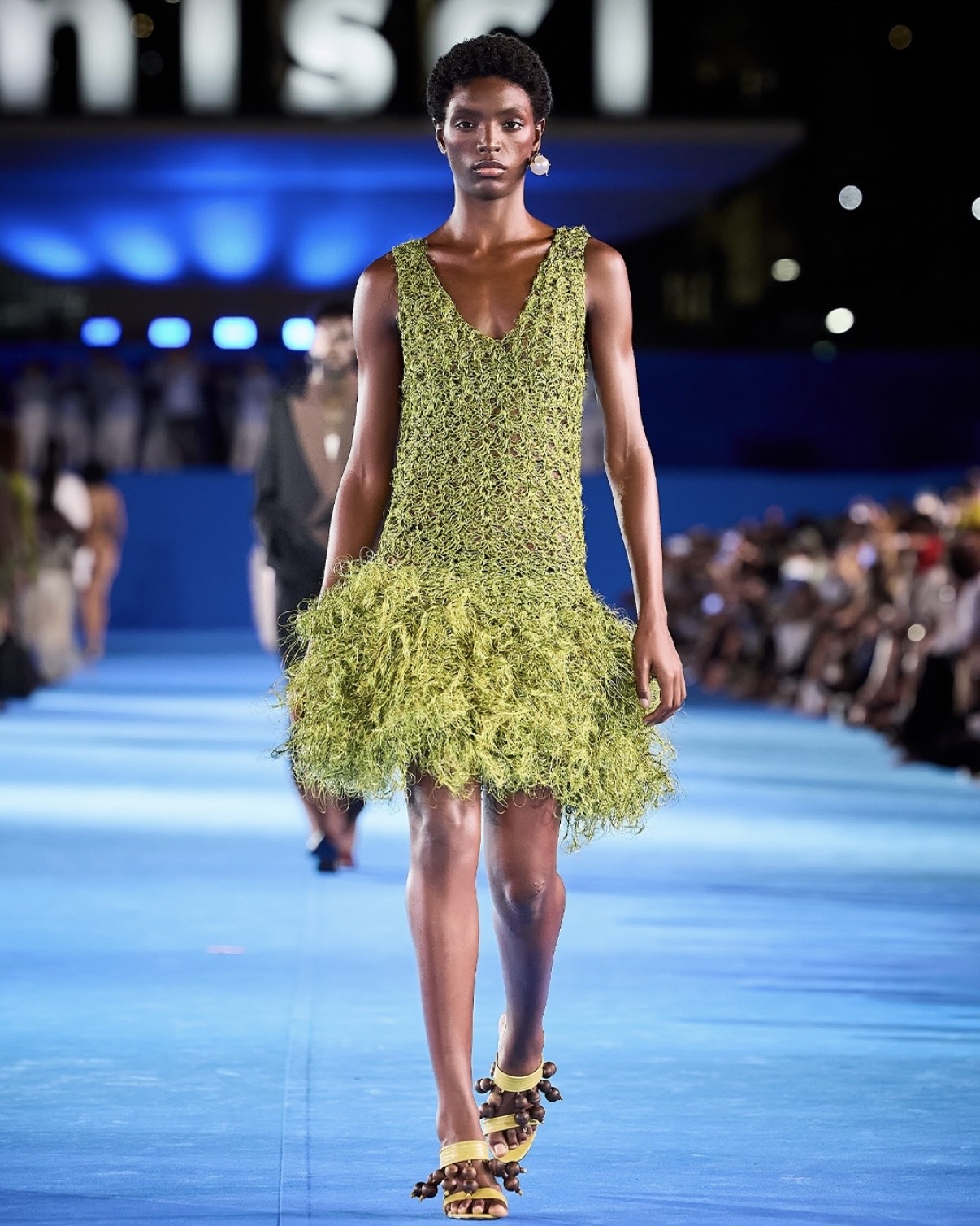
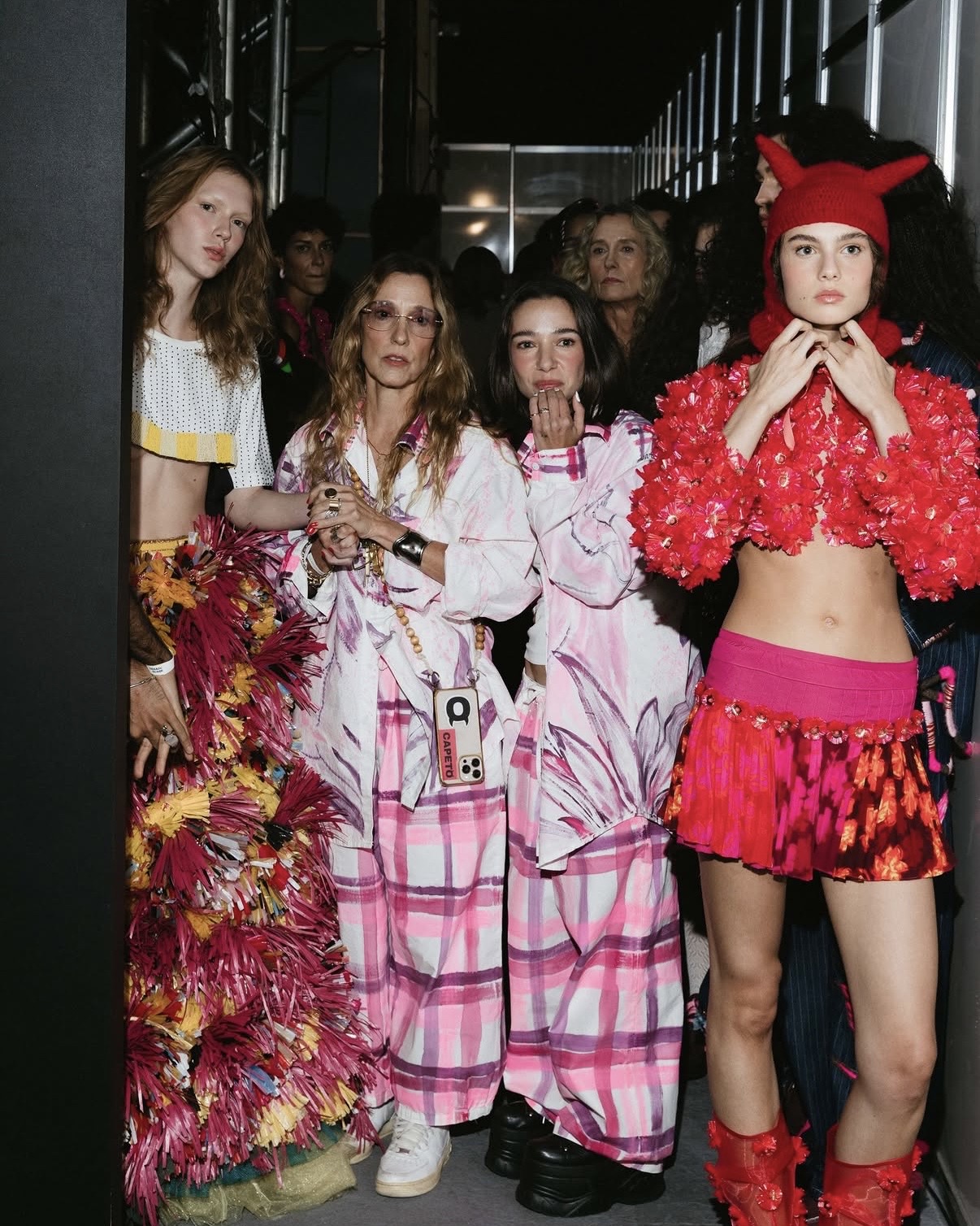
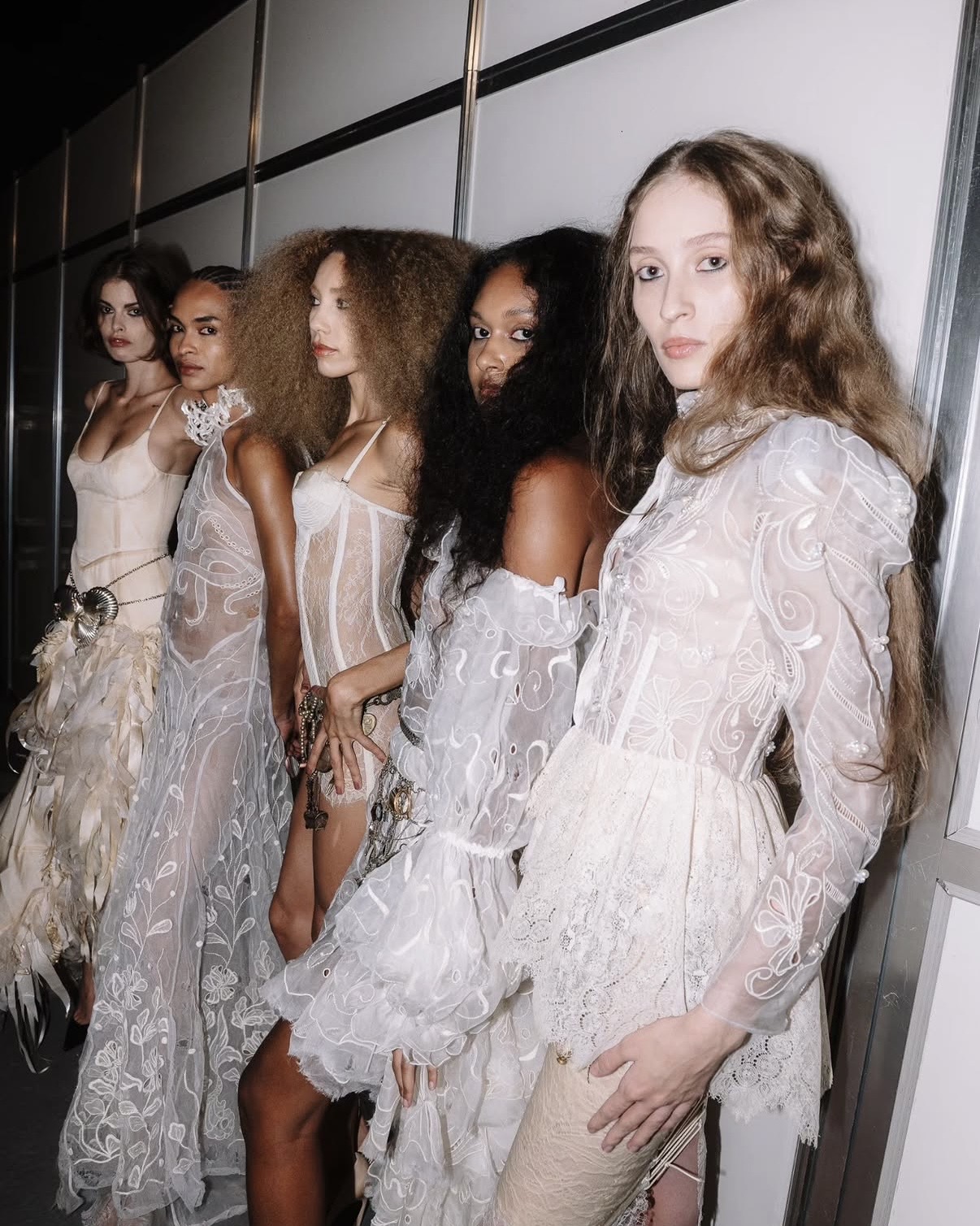
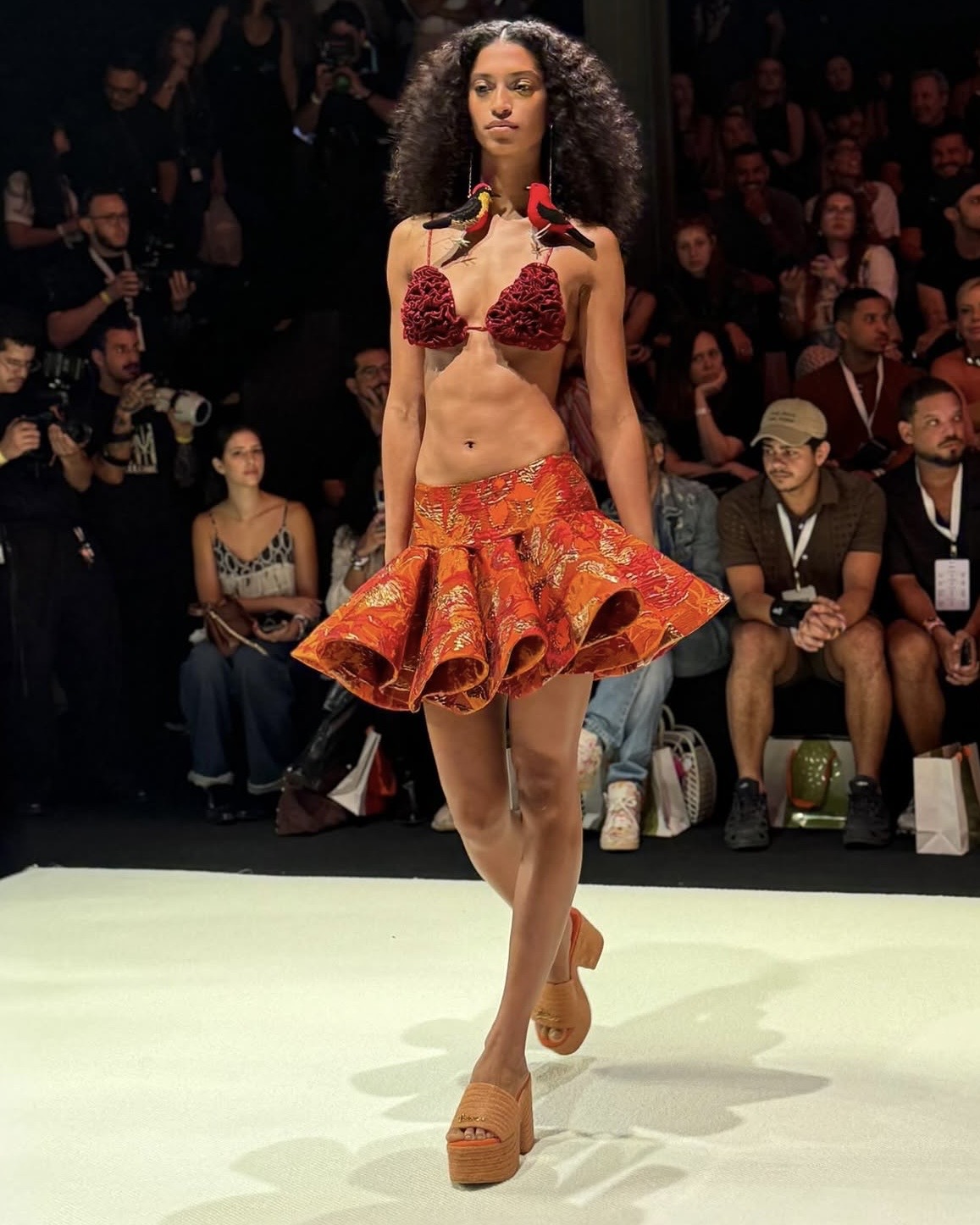
Yes, we need the elegance of Misci, the artisanal strength of Helô Rocha, the sophistication of Lenny Niemeyer, and the international vision of Osklen. But we also need consistency at all levels, especially in casting.
And here is one of the weakest points of some fashion shows. It’s not a discussion between professional models and influencers, but about preparation. About presence. About understanding the role one plays on the catwalk.
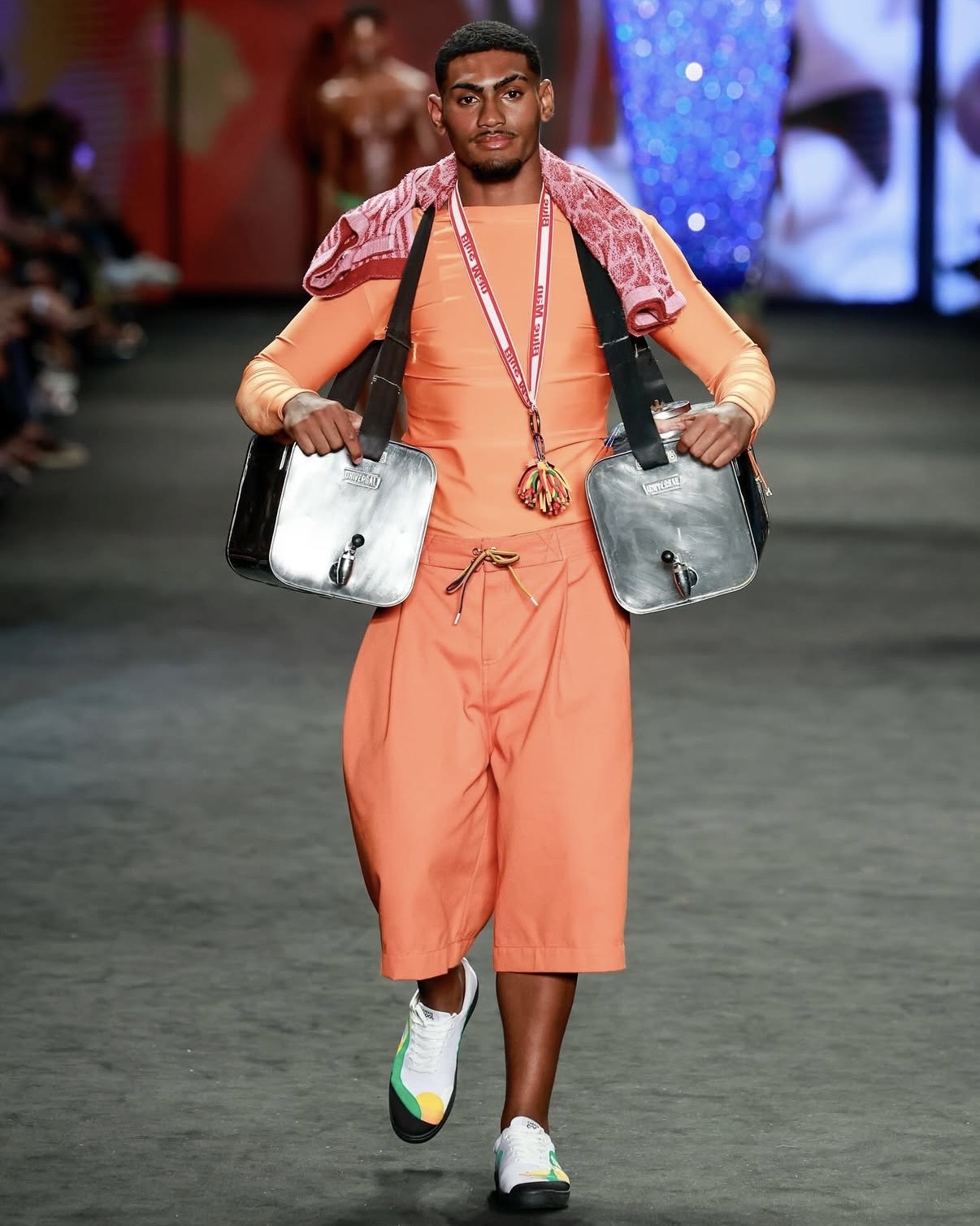
It’s possible to put a mate vendor on the runway, as Blue Man did, and have him perfectly communicate the concept. Just as it’s possible to cast models considered “professional” who still don’t carry the moment. And isn’t that precisely their role?
Because, after all, what is the objective of a Fashion Week? To exhibit, sell, and position a collection/brand or simply to celebrate culture?
If the proposal was the second one, as we would say in carnival parades: a 10 out of 10.
But, if the intention is to consolidate Brazilian fashion as a competitive power on the international stage, treating collection as a product, image as a strategy, and the catwalk as a business, we still have a lot of rice and beans to learn.