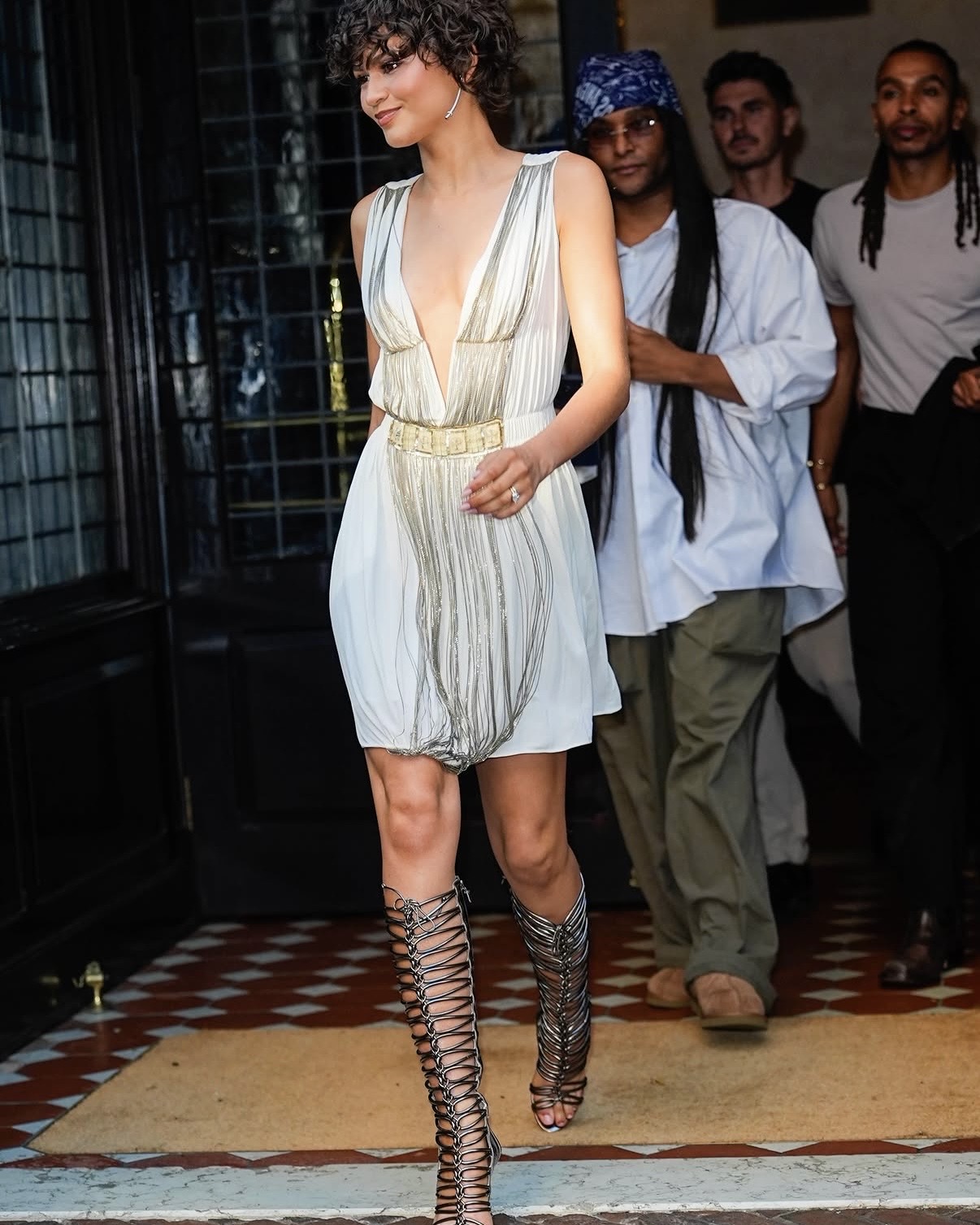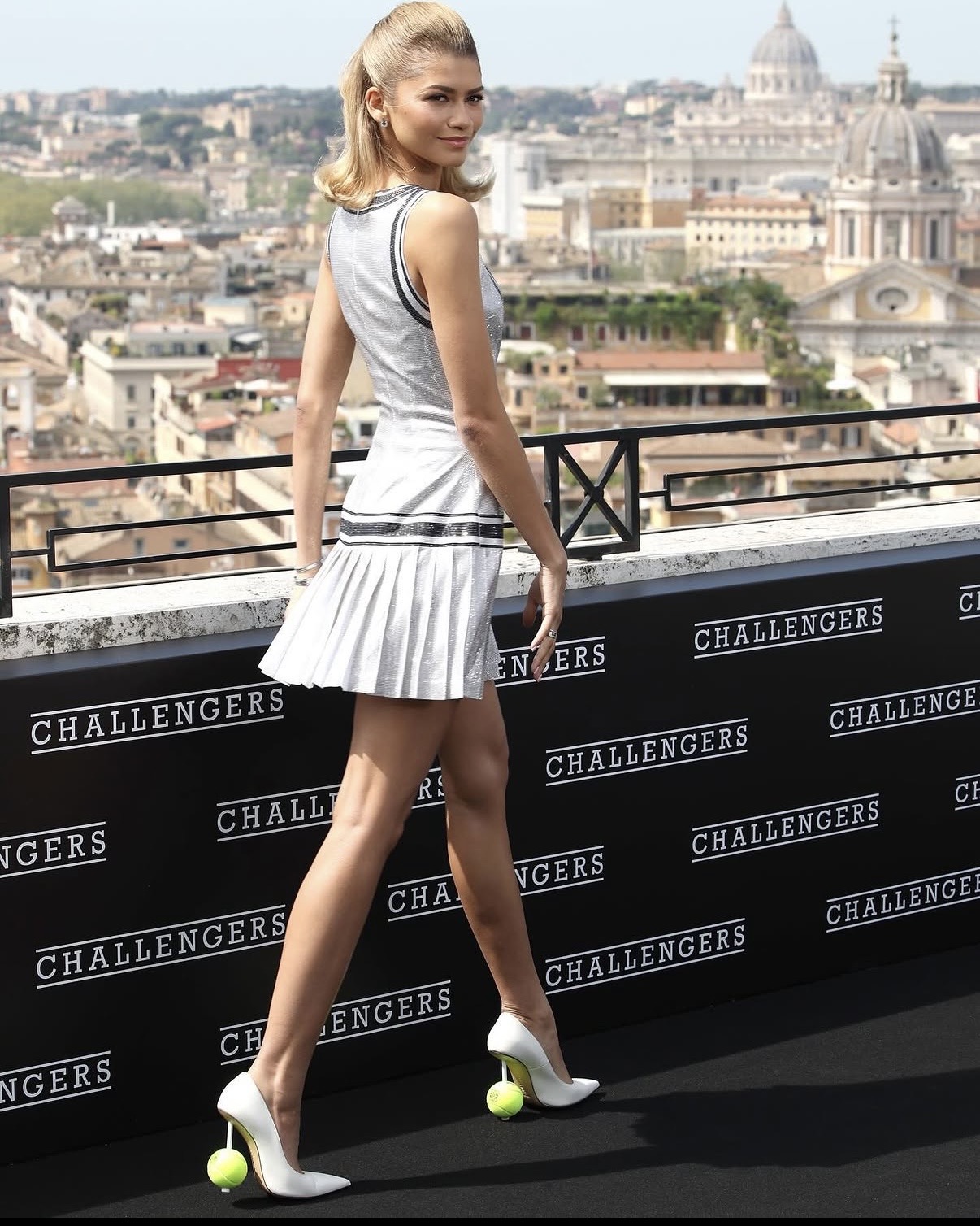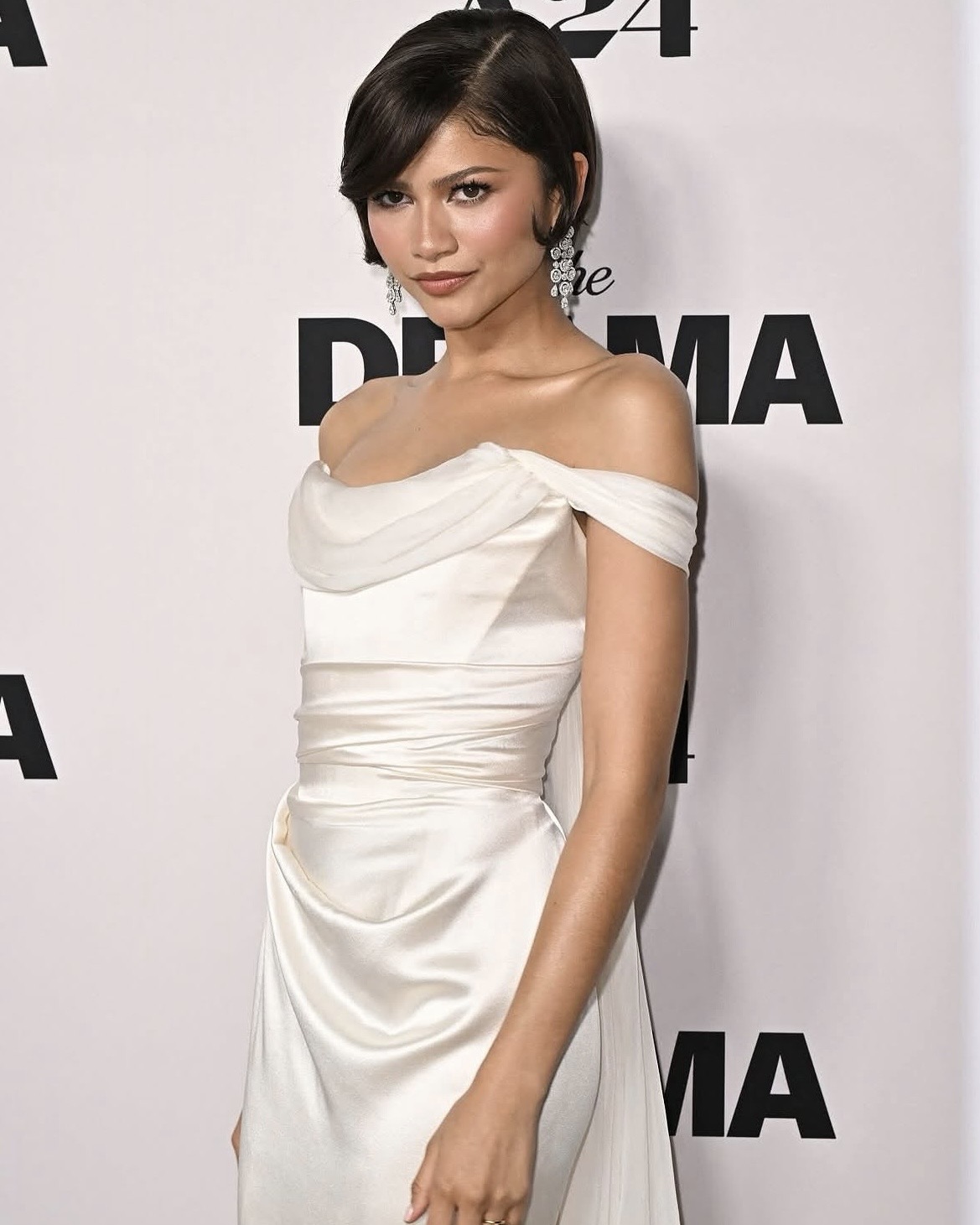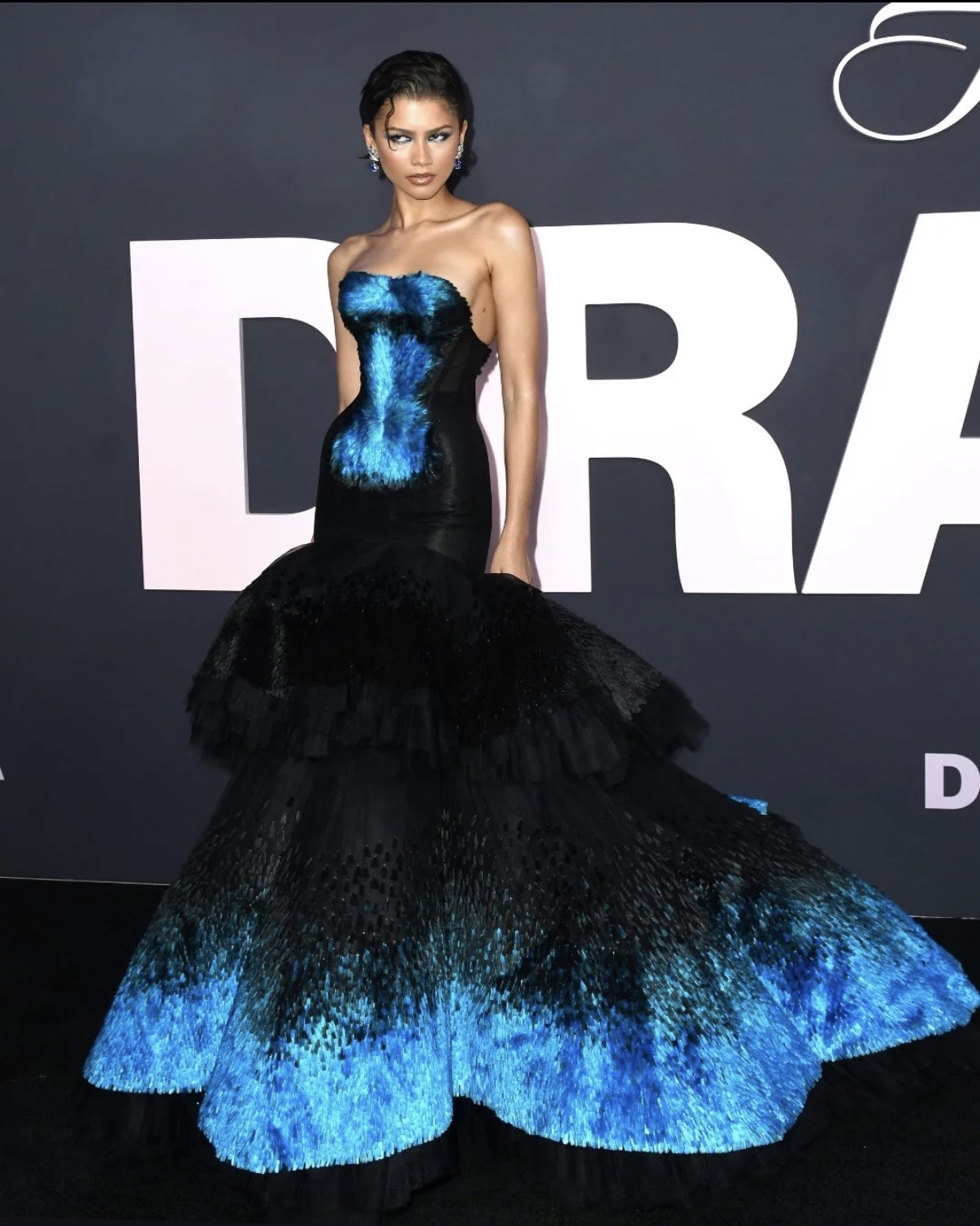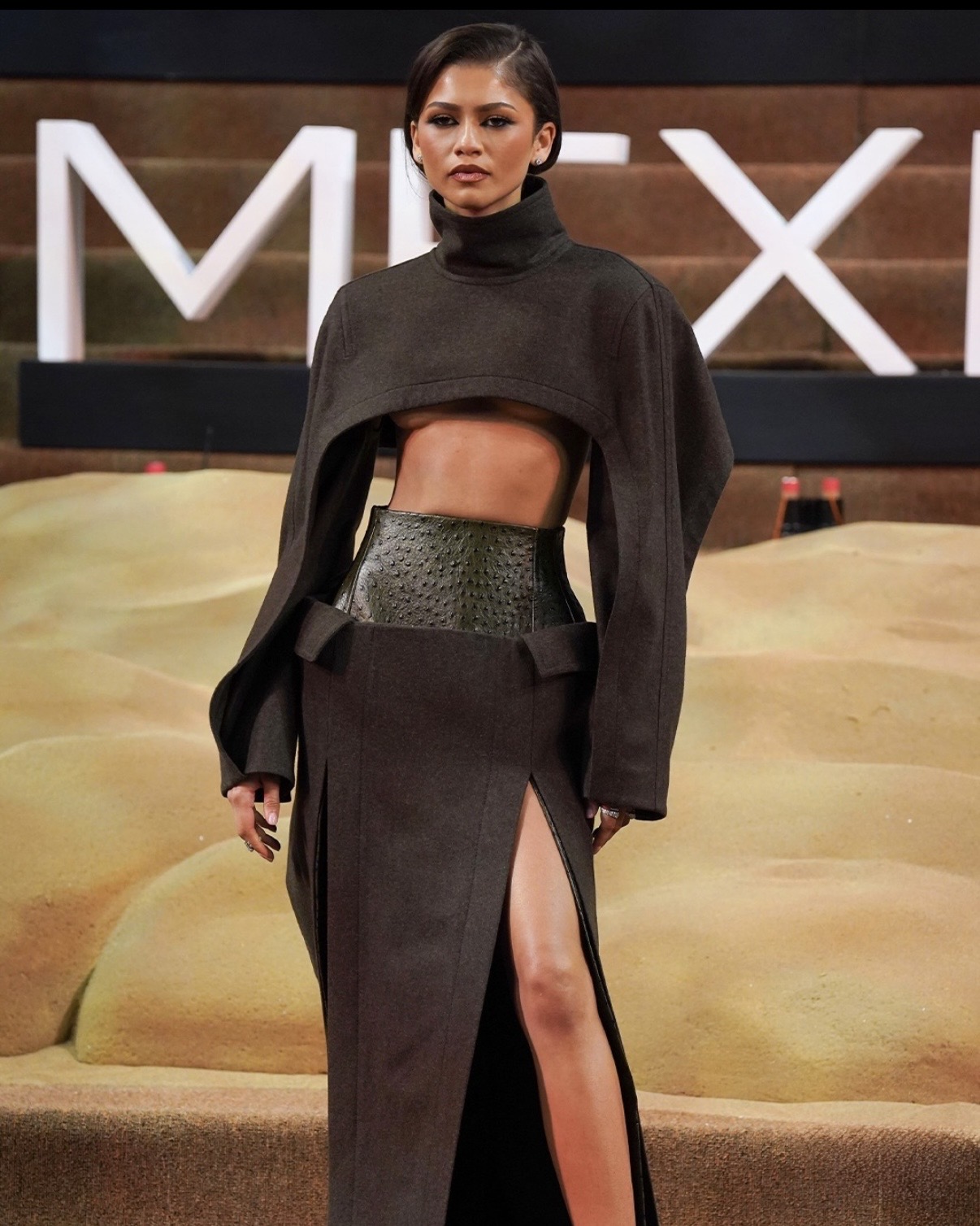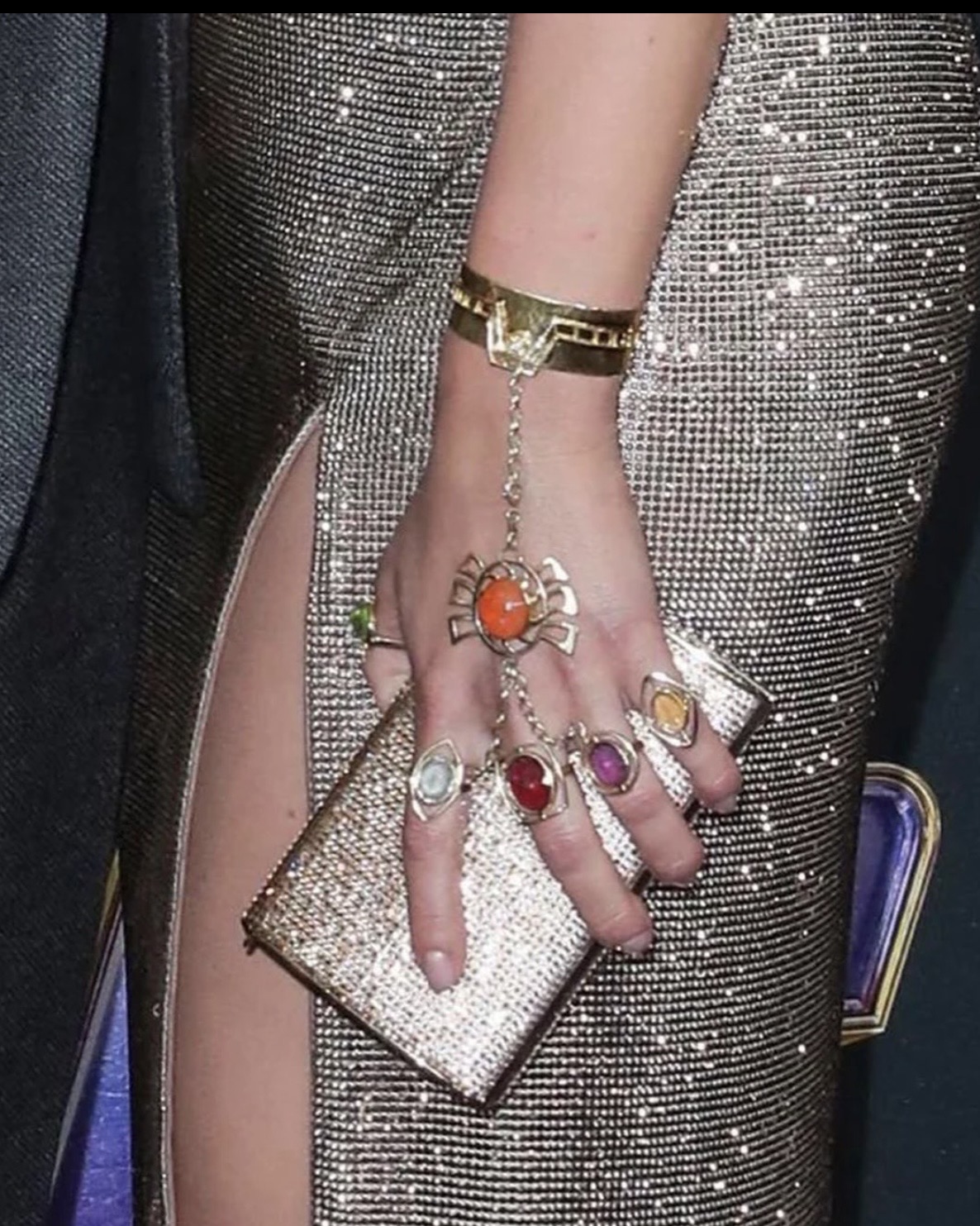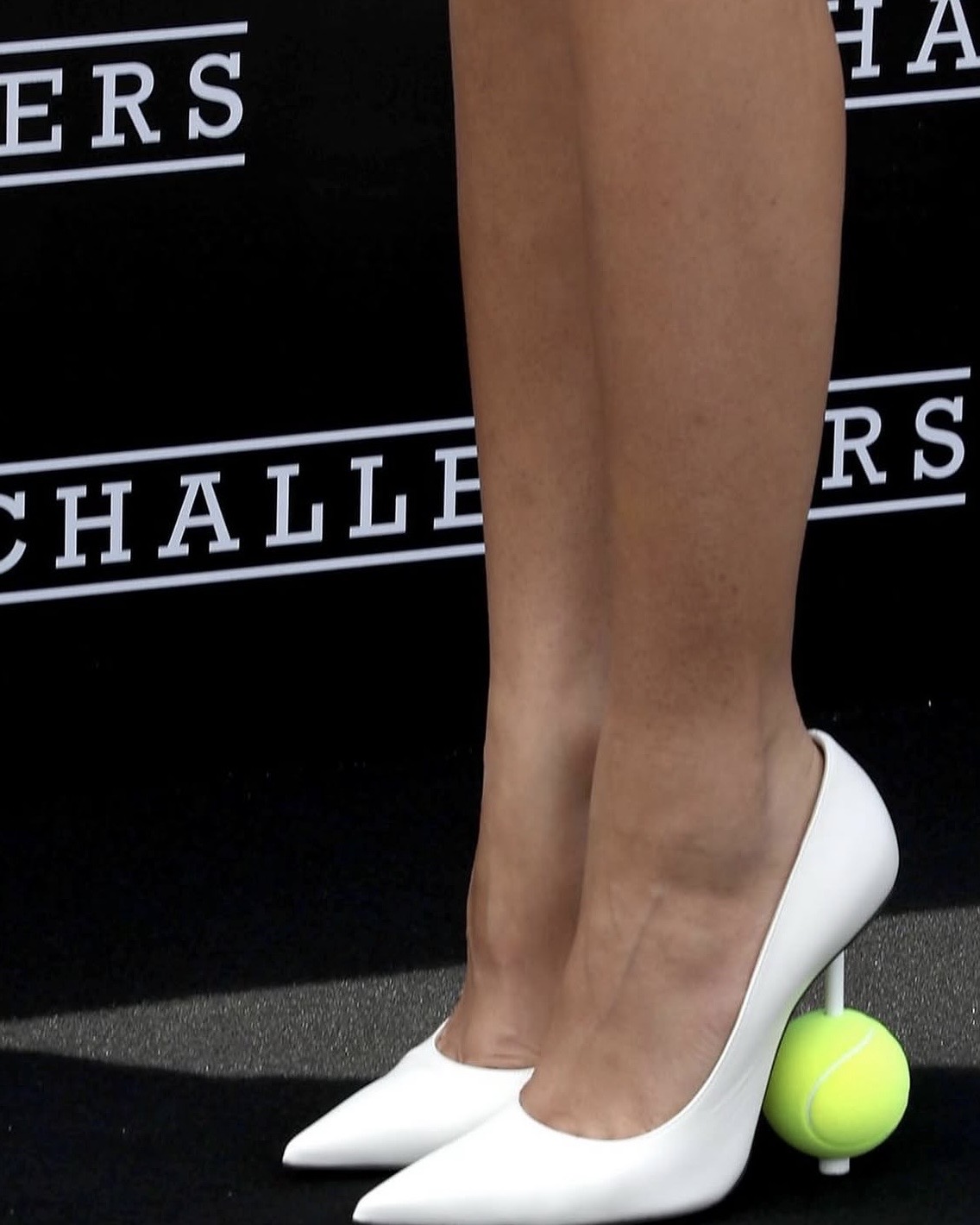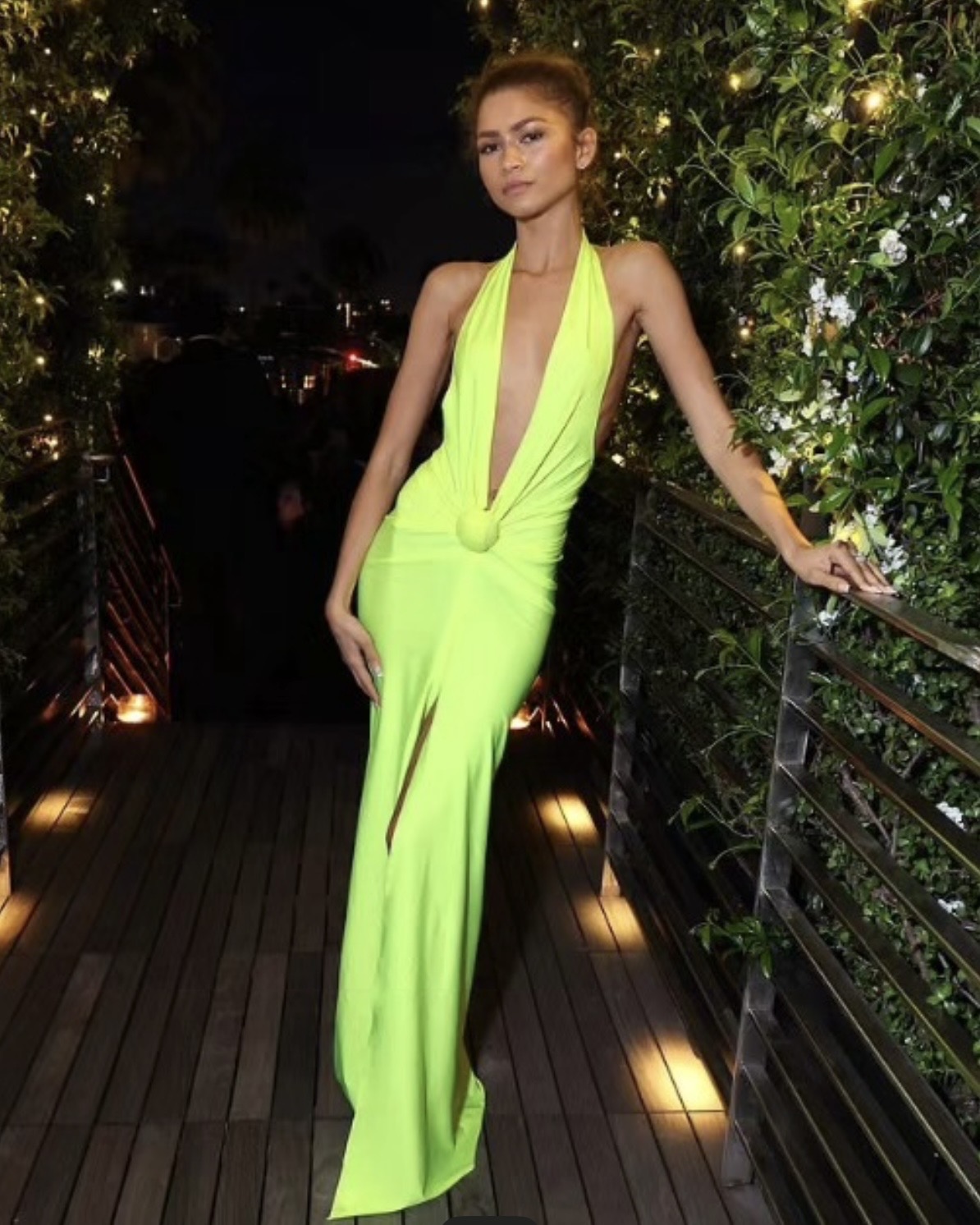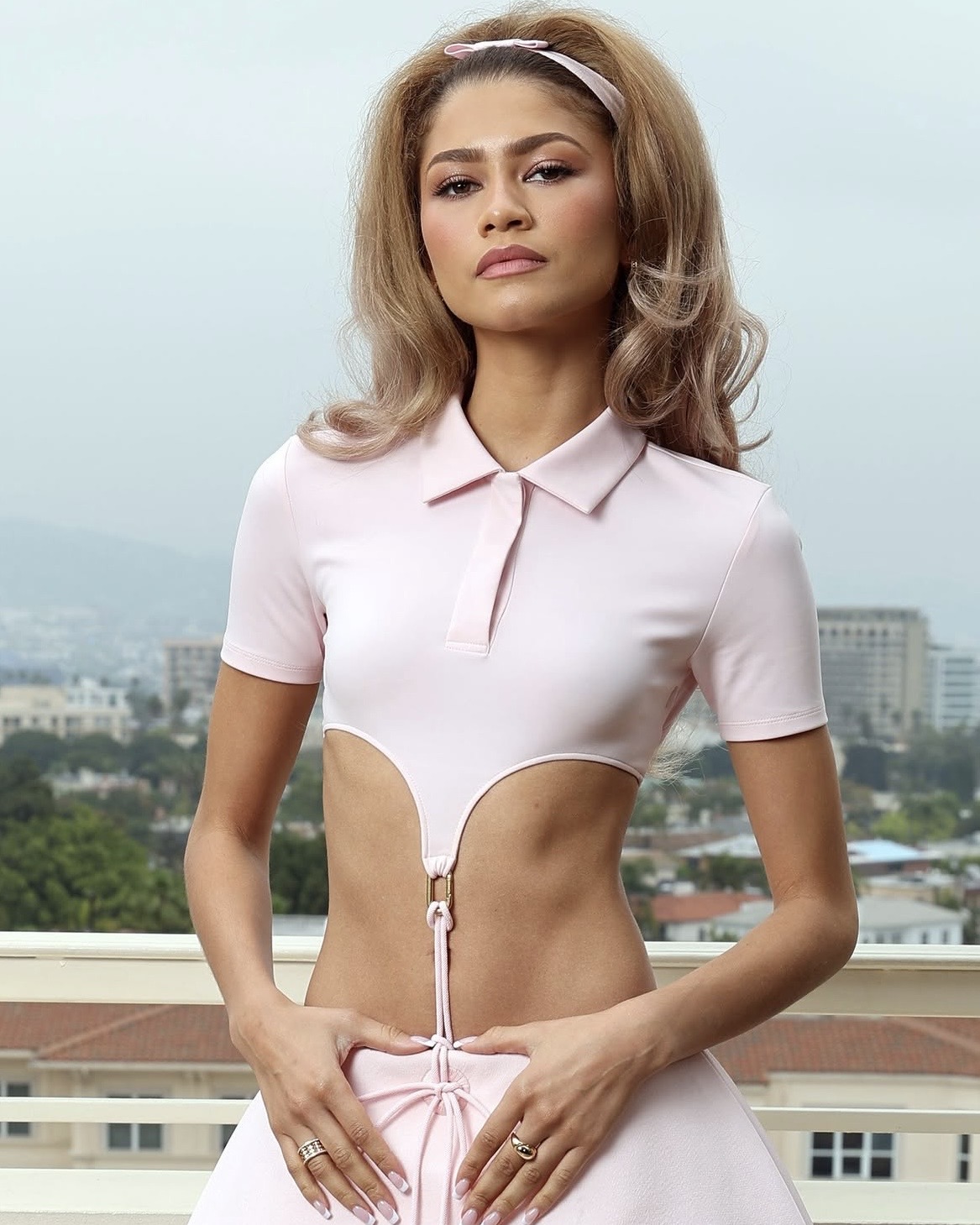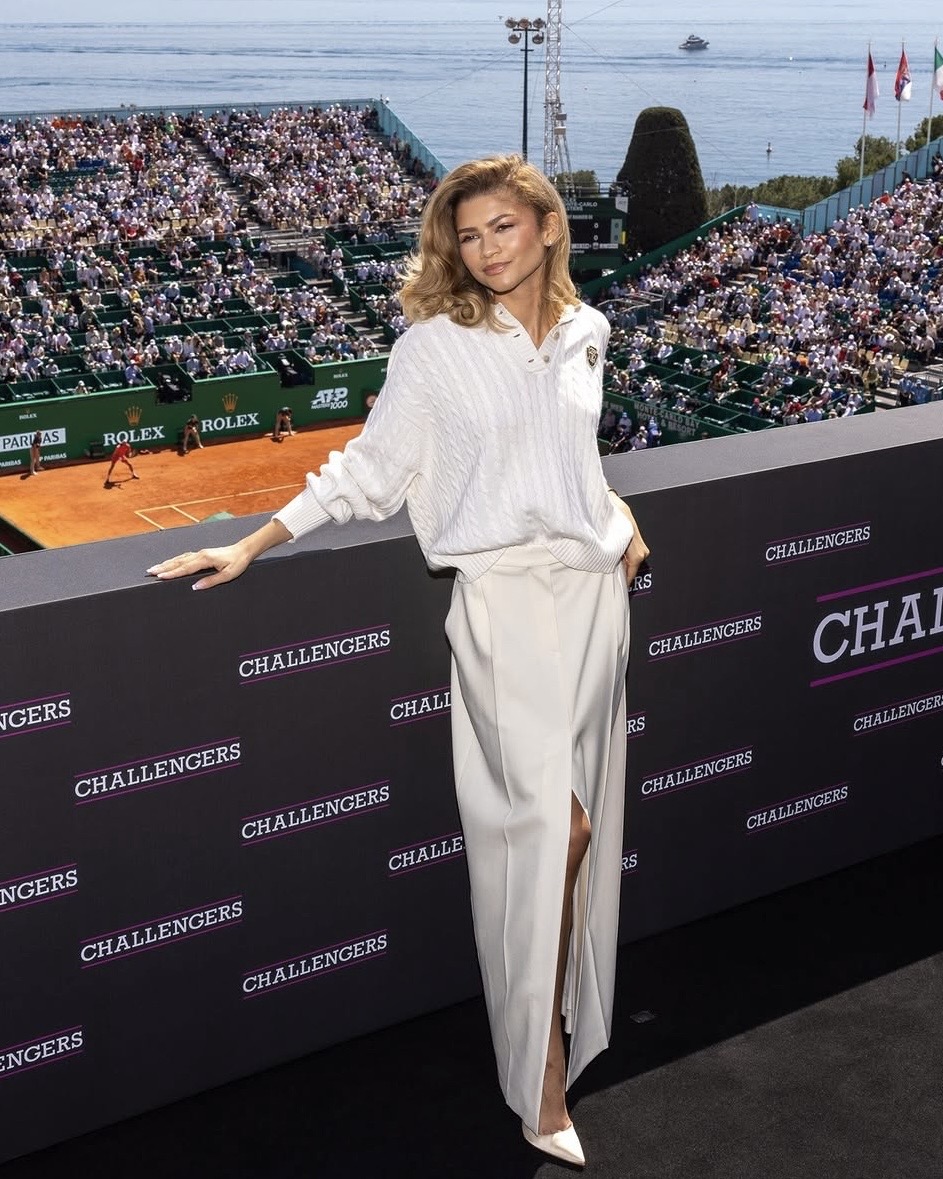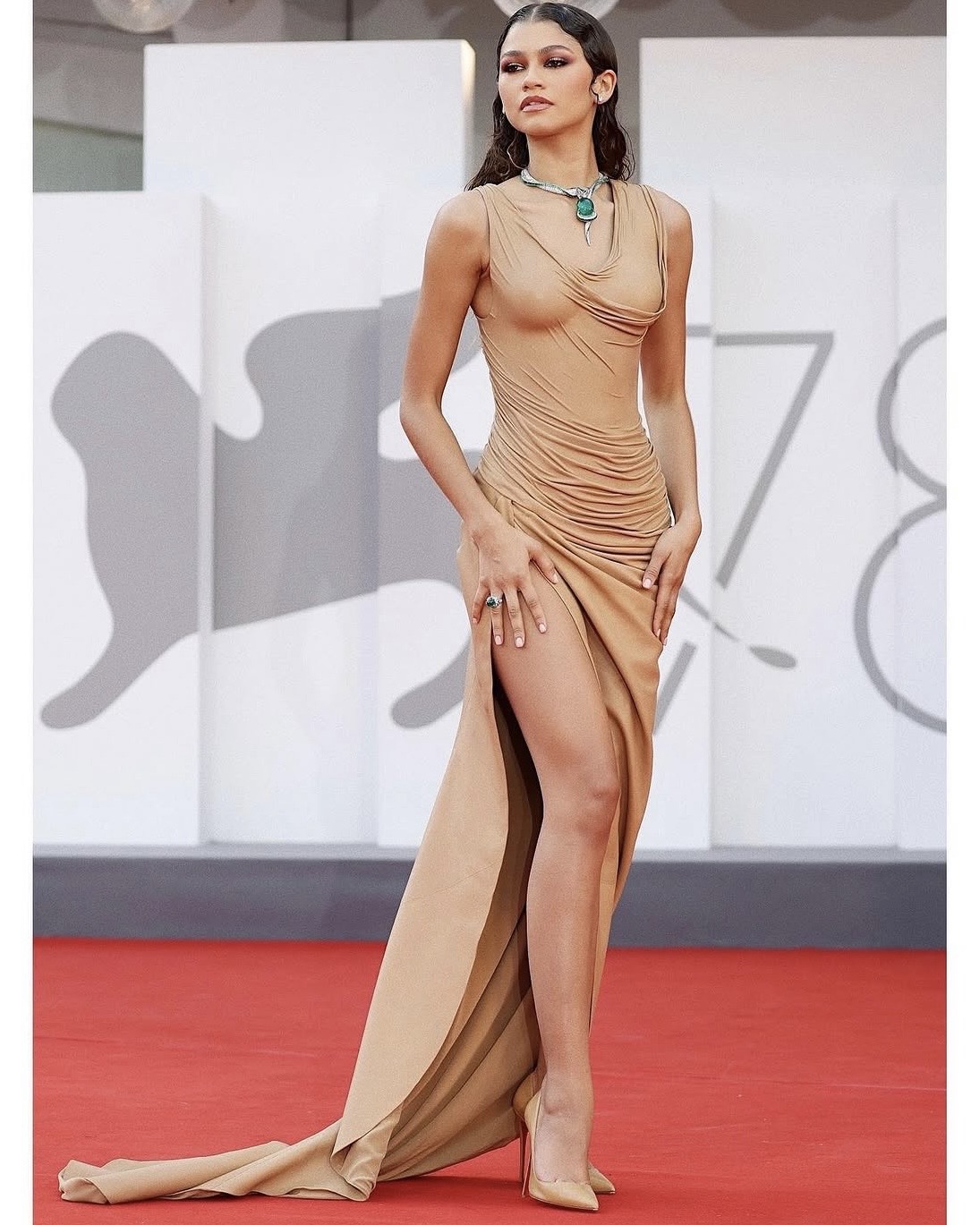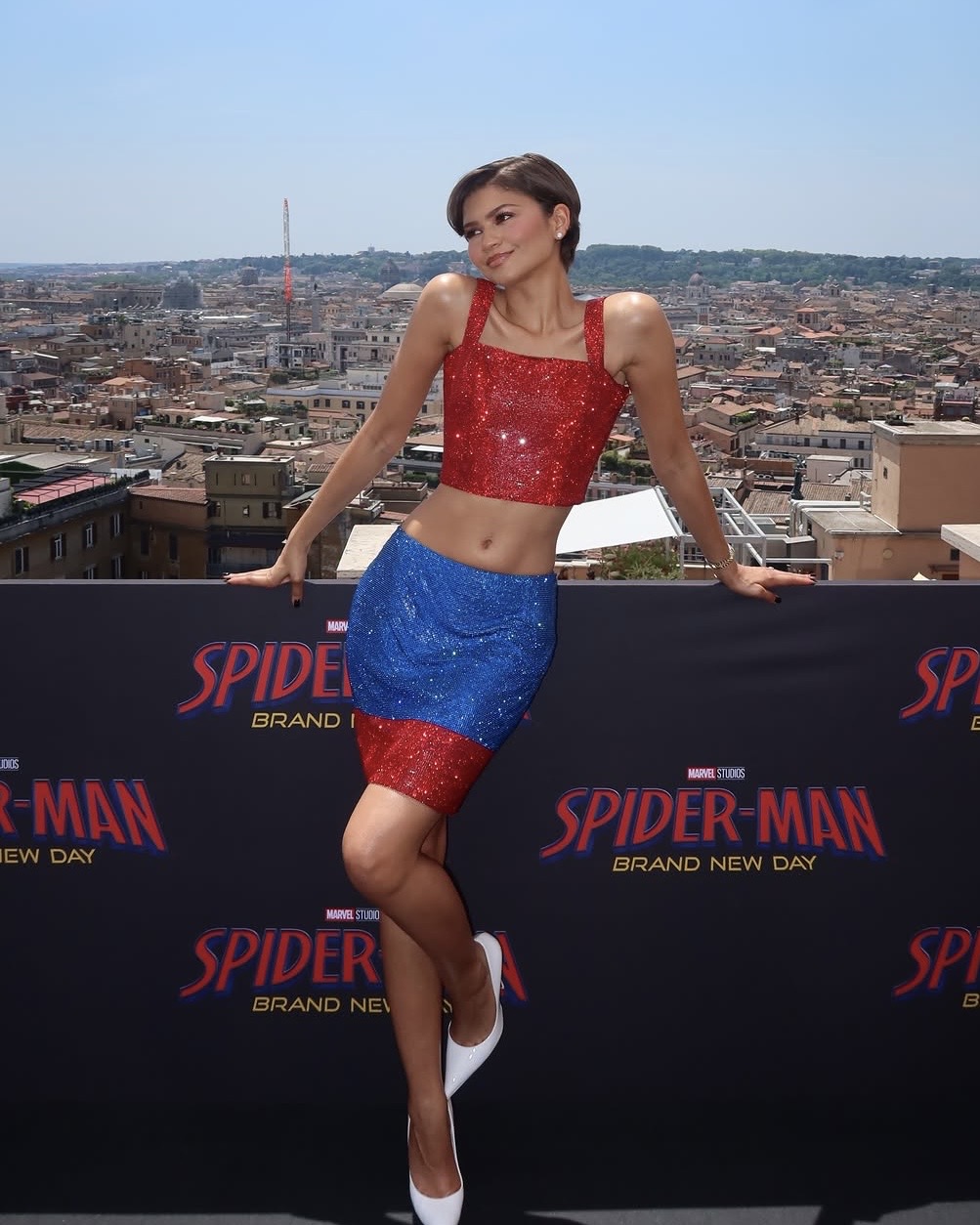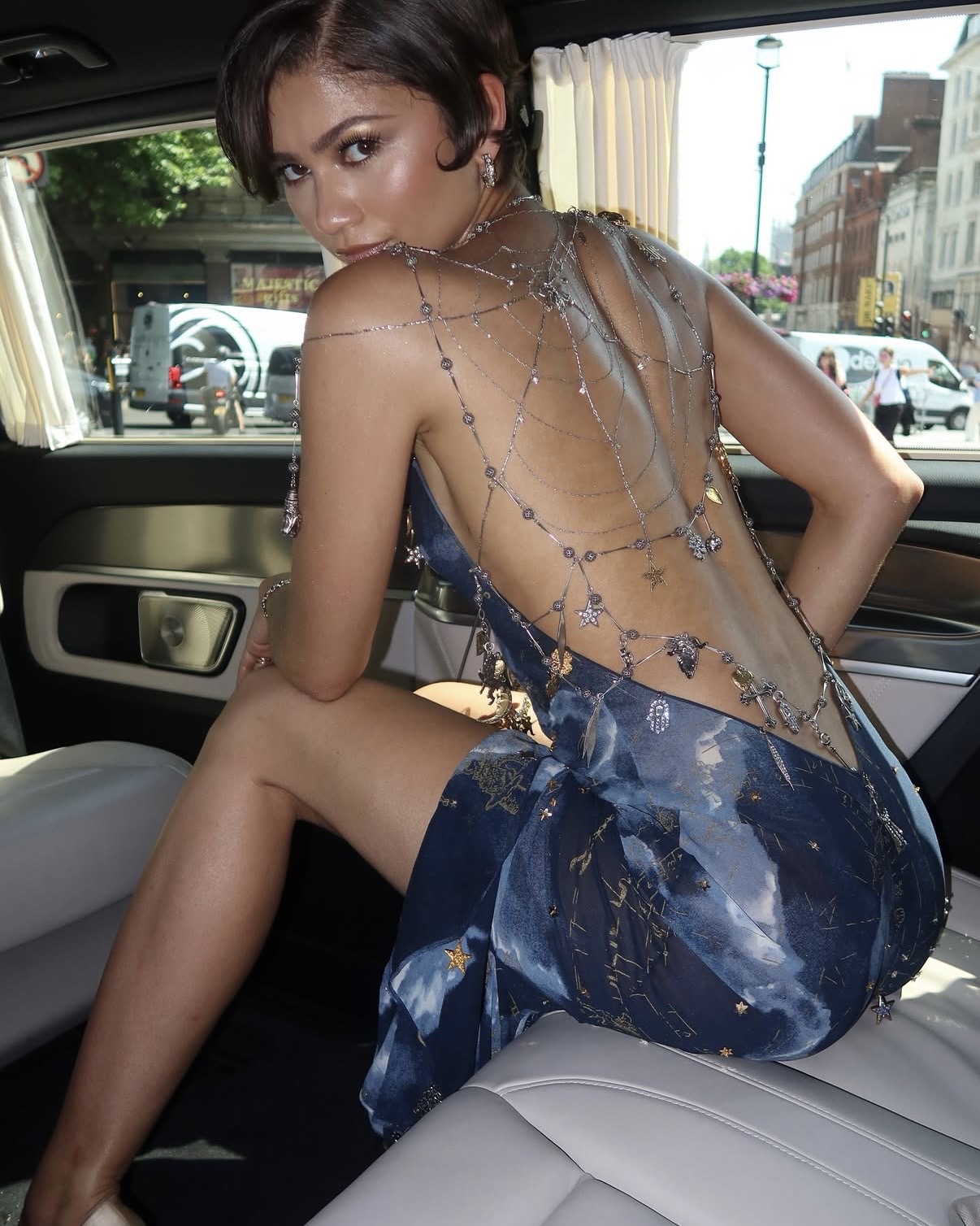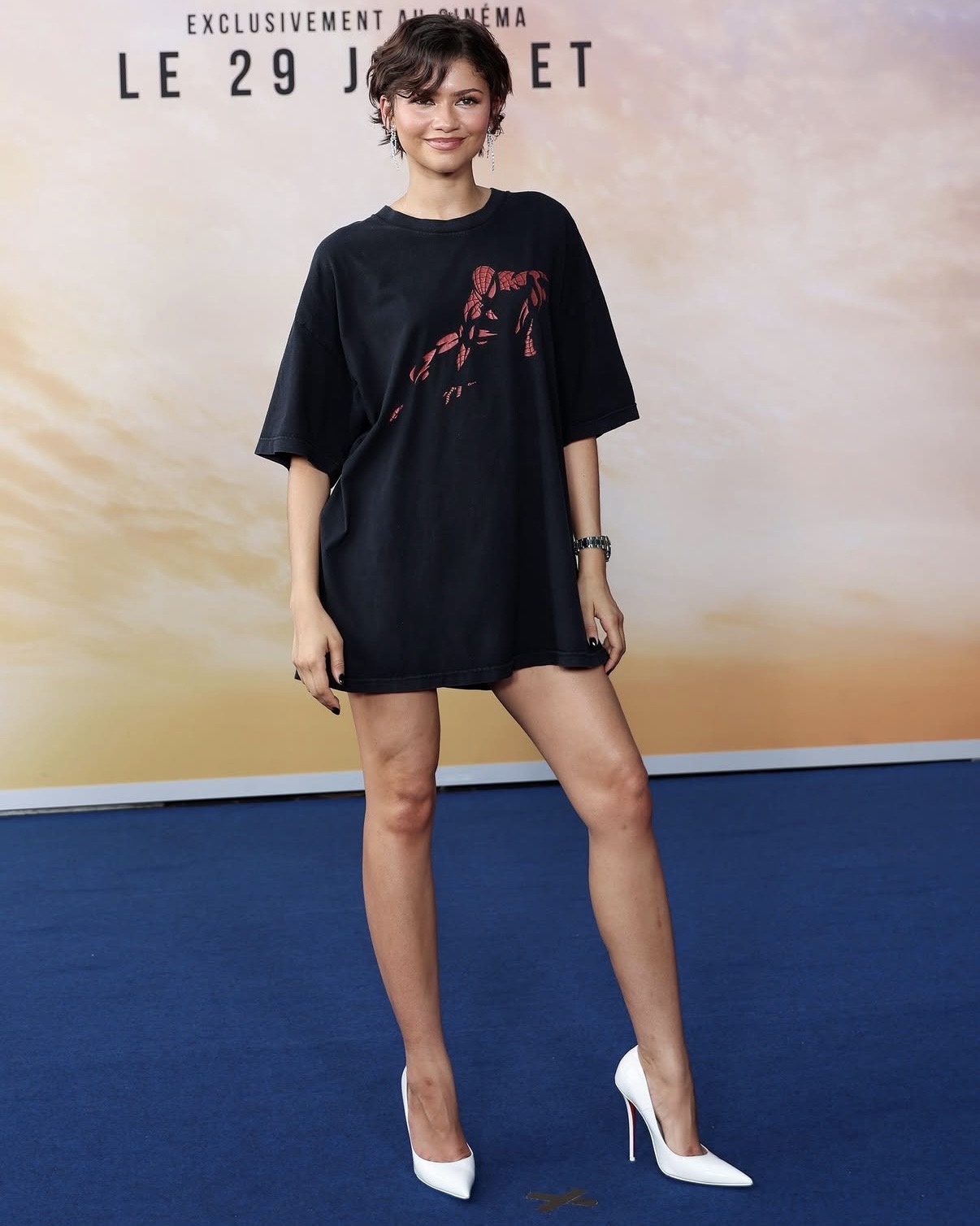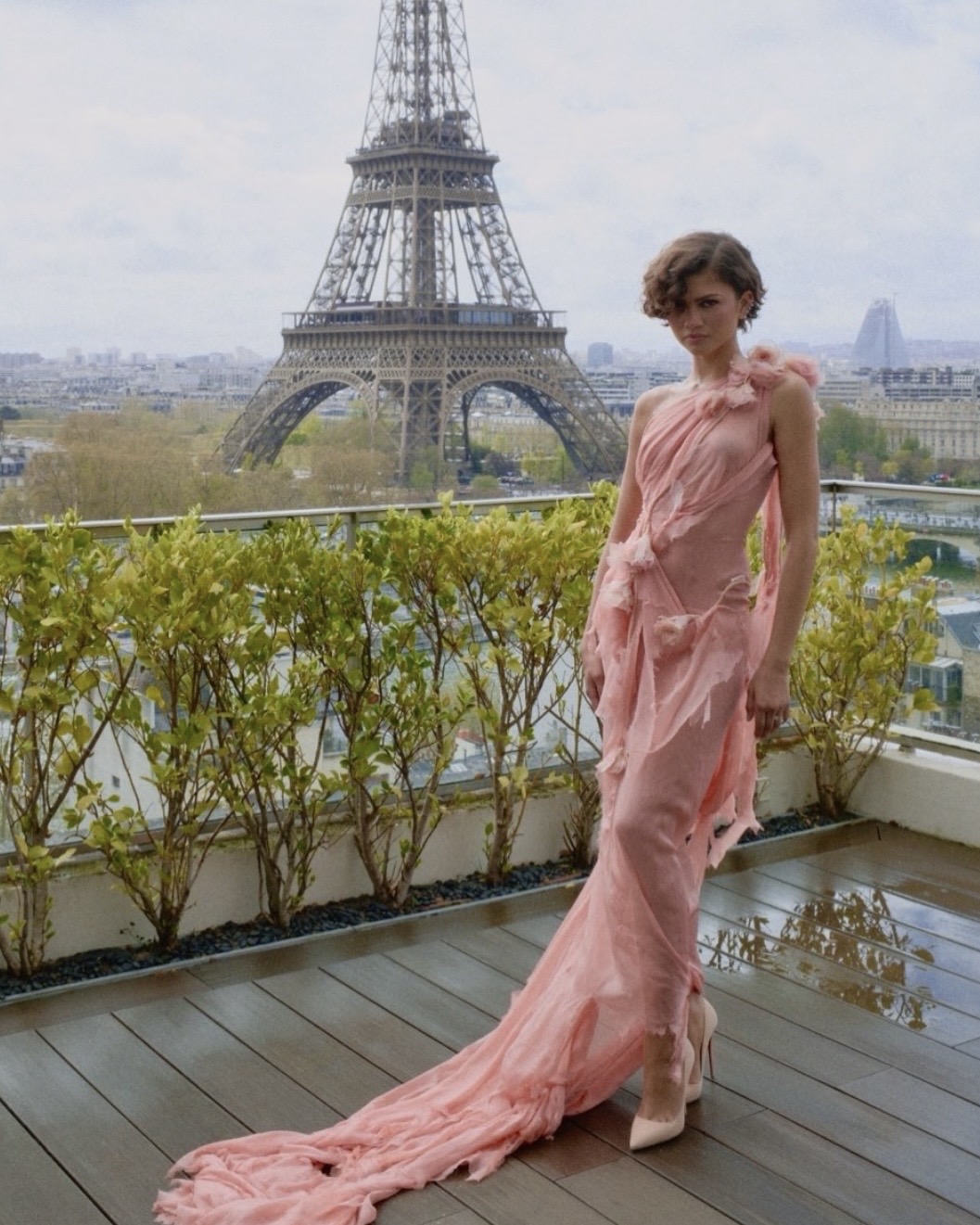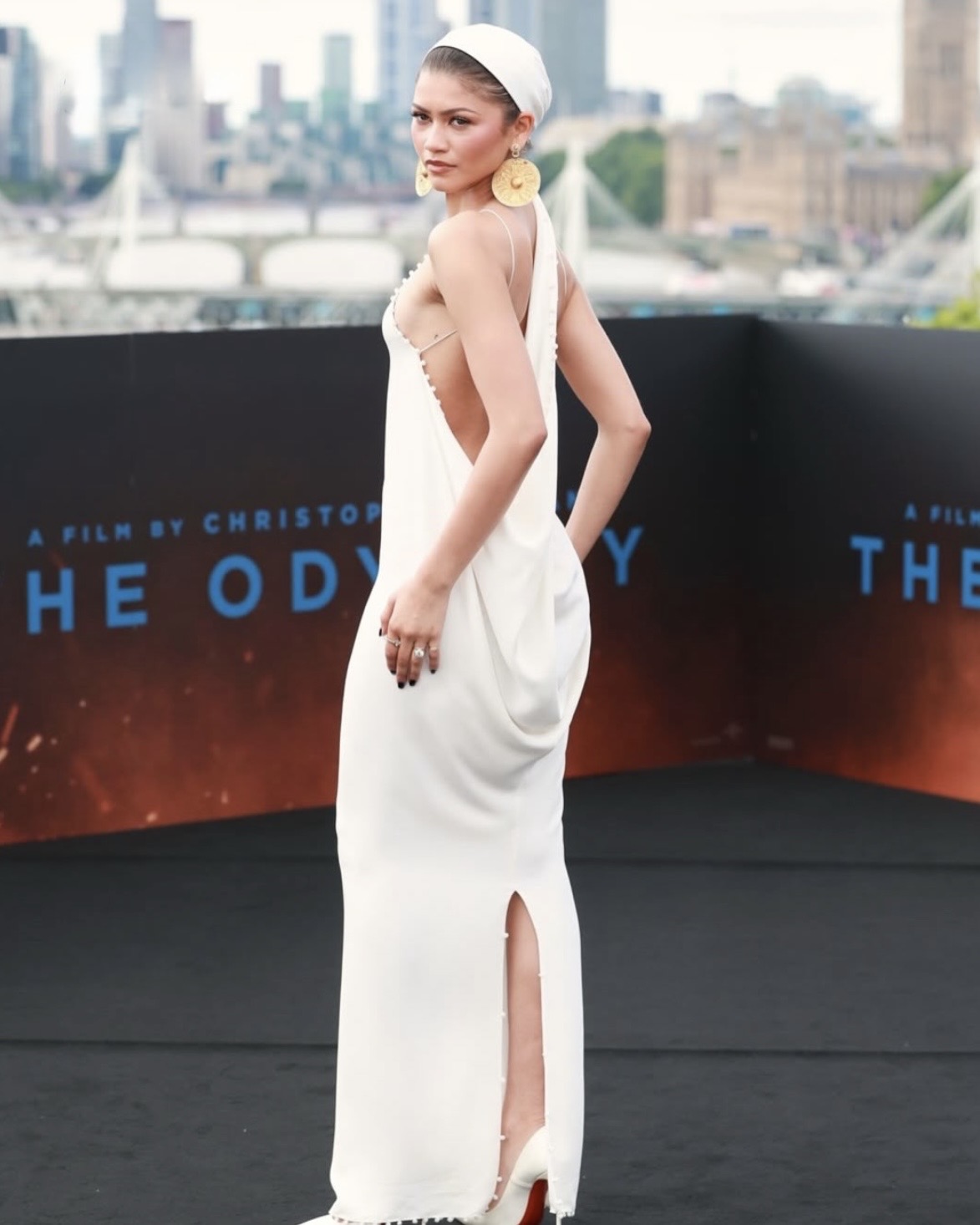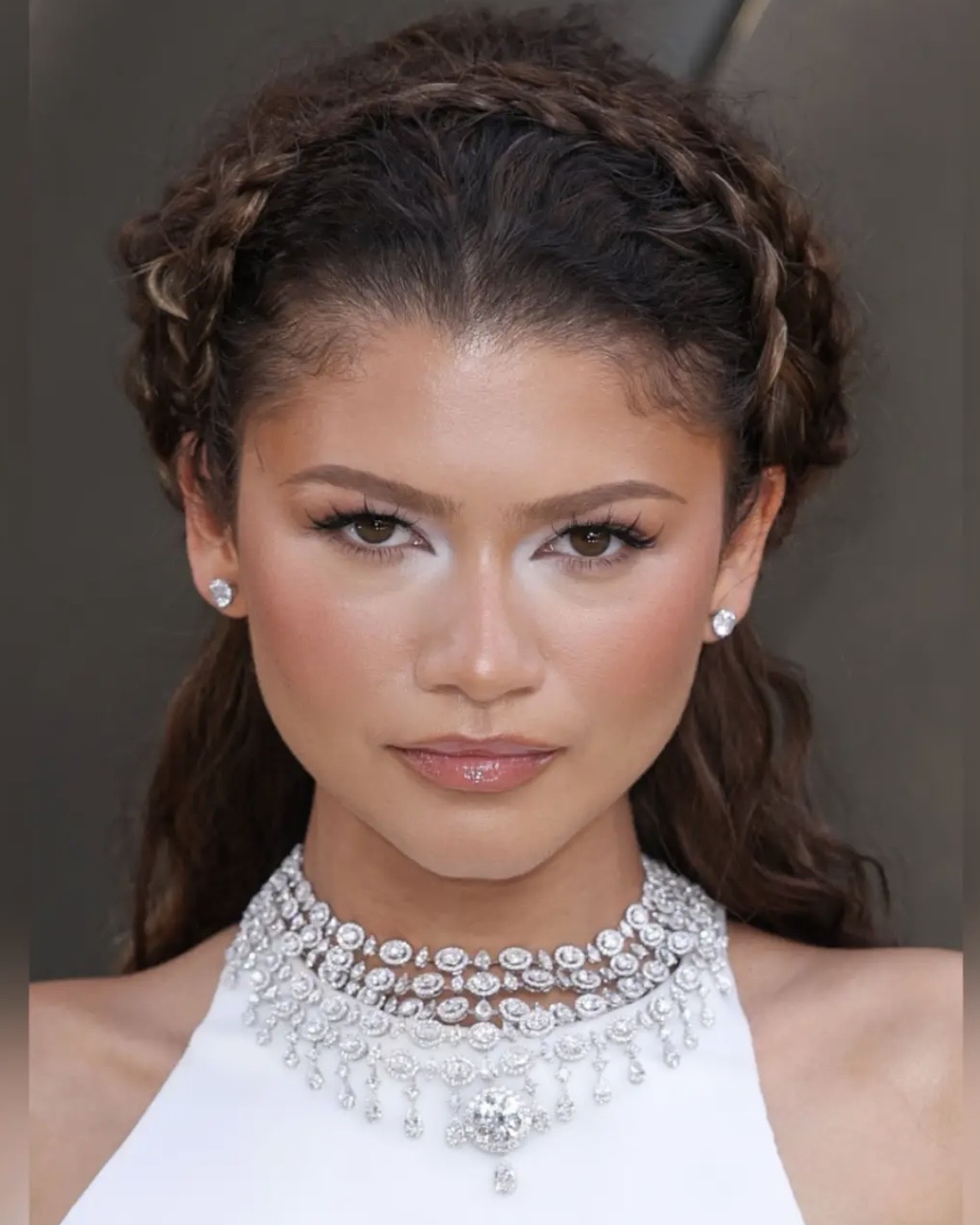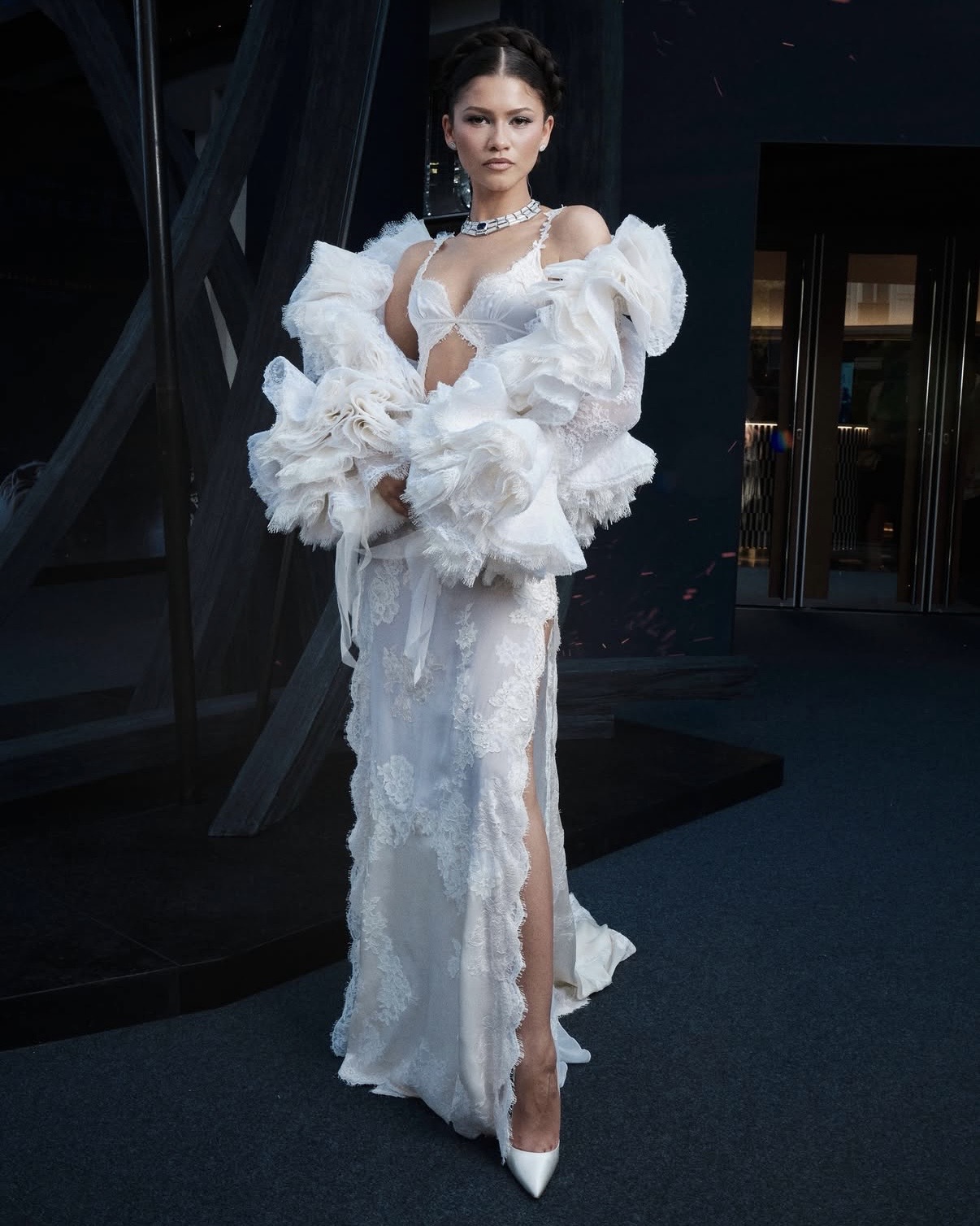
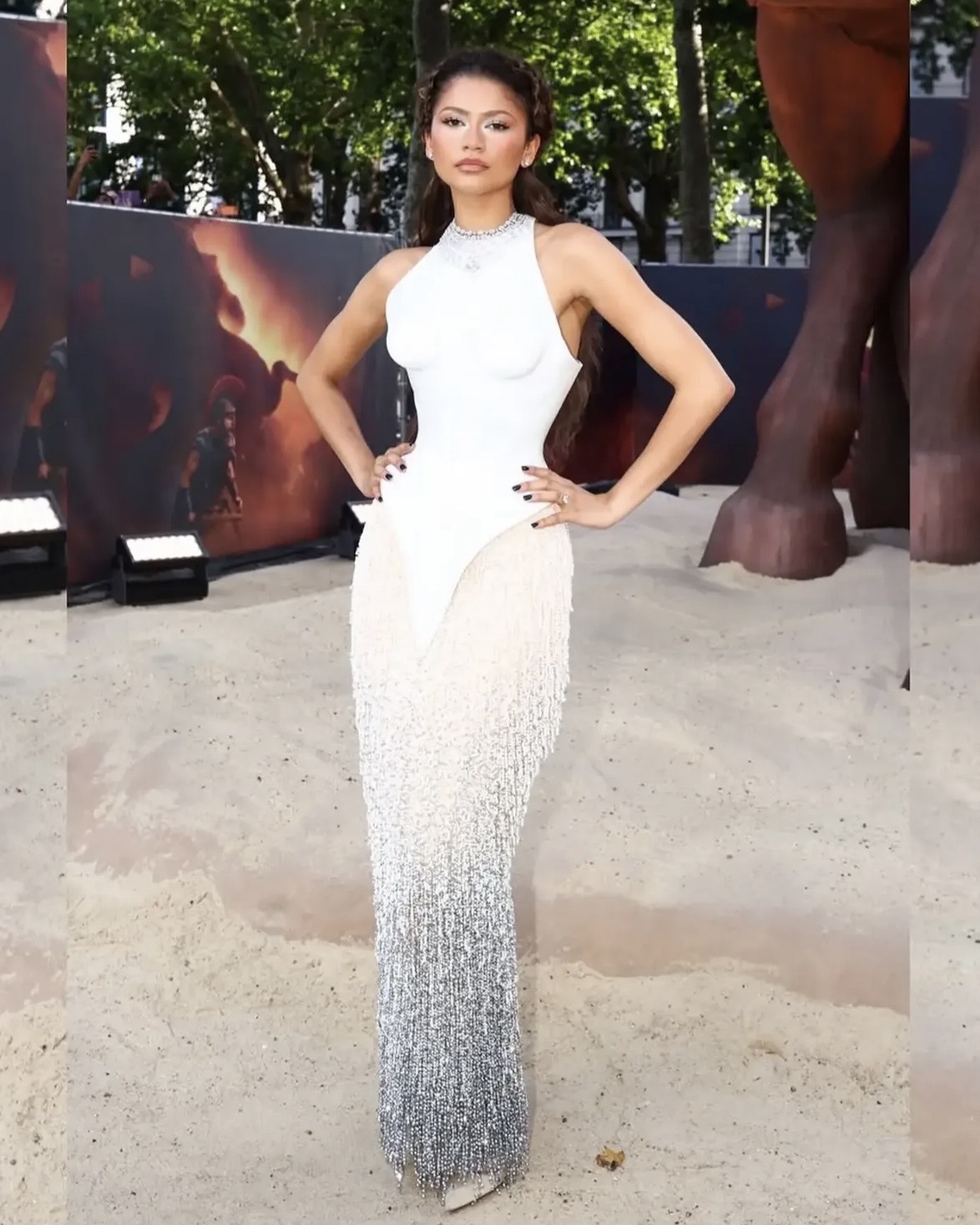
We’ve all noticed Zendaya’s commitment to fashion and the importance she places on her image as an extension of her acting career.
The 29-year-old American actress has starred in memorable roles on television and in film, such as Rue in *Euphoria*, MJ in the *Spider-Man* franchise, and more recently, she was announced as Athena in *The Odyssey*, the new film by acclaimed director Christopher Nolan.
But what inspires us today goes far beyond her performances. We’re talking about the care with which she constructs her image at every premiere, event, or public appearance around the world.
What stands out most is the absolute coherence between character, clothing, beauty, and accessories. Every detail is thought out and coordinated by her stylist, Law Roach, to create a visual composition integrated into the film’s narrative and the context of each event. Nothing seems excessive or insufficient. Perhaps this is Zendaya’s greatest asset and one of the reasons she has become one of the biggest icons of contemporary fashion.
Behind this construction is Lawrence “Law” Roach, a native of Chicago, Illinois. Unlike most great stylists, he never started his career as an assistant to another professional. His path was unique and extremely creative. He began by buying and reselling vintage pieces until he opened his first store, *Deliciously Vintage*, in Harlem, New York. Shortly after, he opened a second location in Chicago. The success of the stores attracted famous clients, including Kanye West, consolidating his reputation within the fashion industry.
In 2011, when Zendaya was still a Disney teenager, Law was introduced to the actress. The two decided to build a career together practically from scratch. They studied fashion history, researched archives of major brands, understood how fashion weeks worked, and thus created a visual identity completely different from that followed by other young Hollywood actresses.
Law’s work goes far beyond what we normally understand as that of a stylist. He prefers to define his profession as an *Image Architect*. The expression perfectly translates his philosophy: it’s not just about choosing clothes, but about building a visual narrative capable of communicating personality, moment, and purpose.
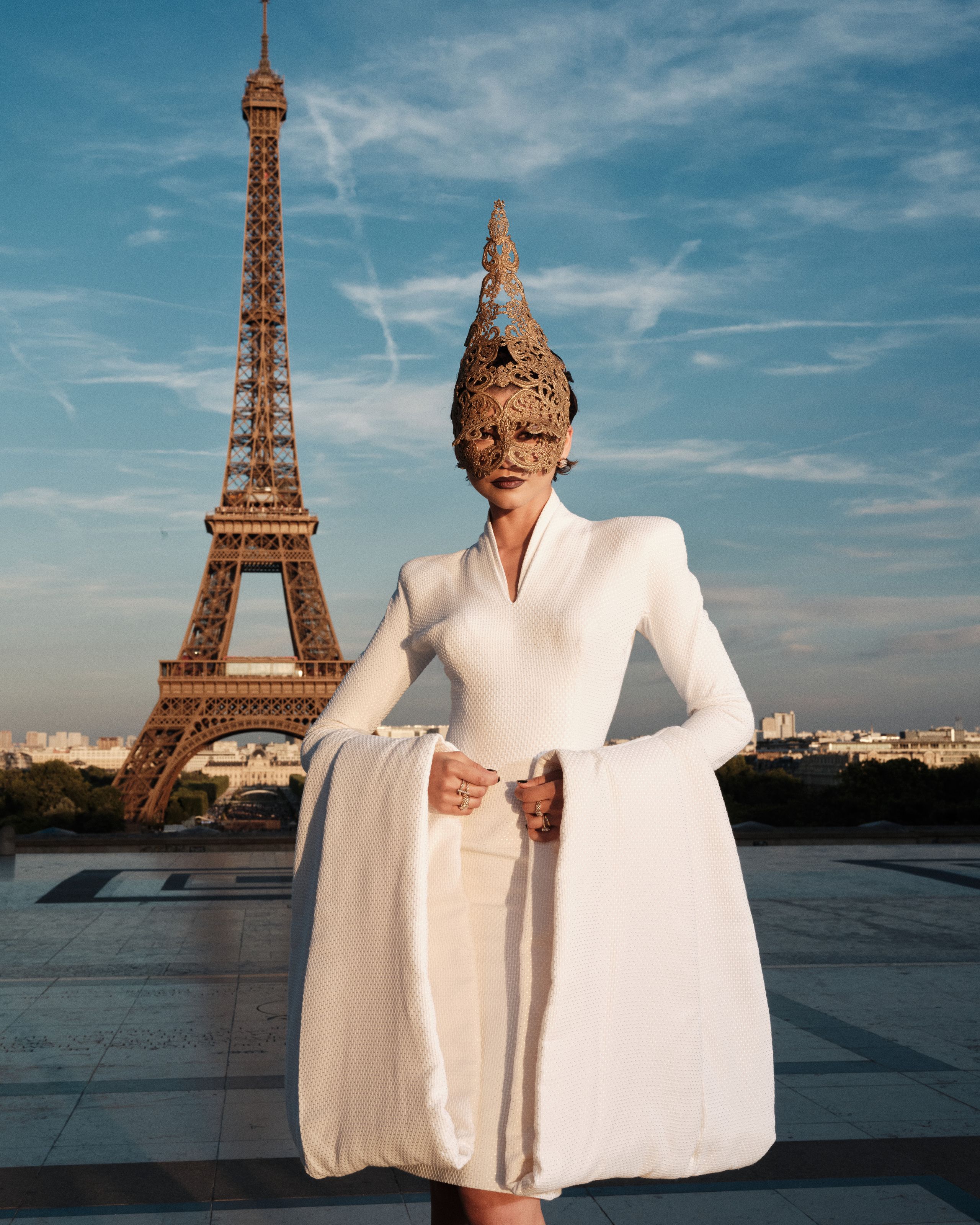
It was precisely this vision that gave us one of the most memorable moments of this season. During the promotion of *The Odyssey*, Zendaya appeared wearing a look from Schiaparelli’s Haute Couture collection, presented on the runway just hours before in Paris.
It is this combination of strategy, creativity, fashion knowledge, and narrative that makes each of Zendaya’s appearances eagerly awaited. Her looks cease to be merely aesthetic choices and become part of the experience of the film, the character, and the fashion culture itself.
How lucky we are!