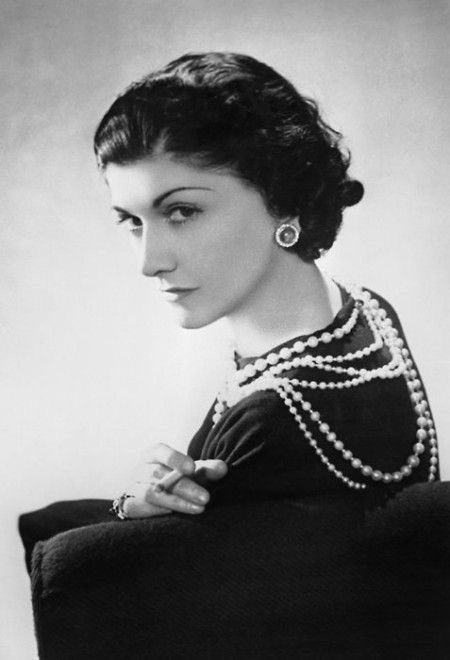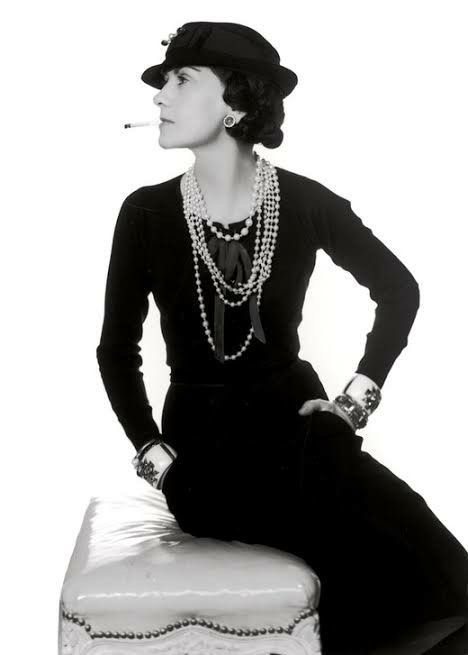
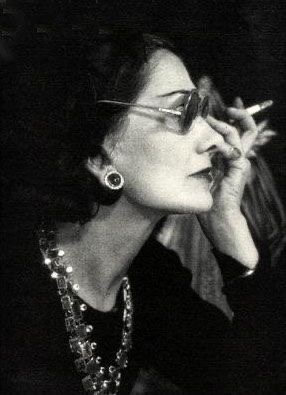
To say that Gabrielle Bonheur Chanel was a feminist figure is, at the very least, contradictory if we apply the meaning we give to feminism today. However, when we observe the nuances of a woman who lived outside the standards of her time and acted in favor of greater female freedom, it is possible to affirm that, even unconsciously, Coco Chanel incorporated practices that we now associate with feminism.
A seamstress who, in her spare time, sang in a cabaret, Coco has an uncertain origin for her nickname. Some believe it came from a song she performed; she herself stated that it was what her father called her; others, knowing her love life, suggest an allusion to cocottes, a term used to designate the supported mistresses of the time.
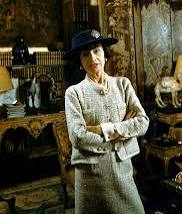
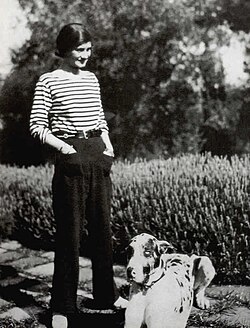
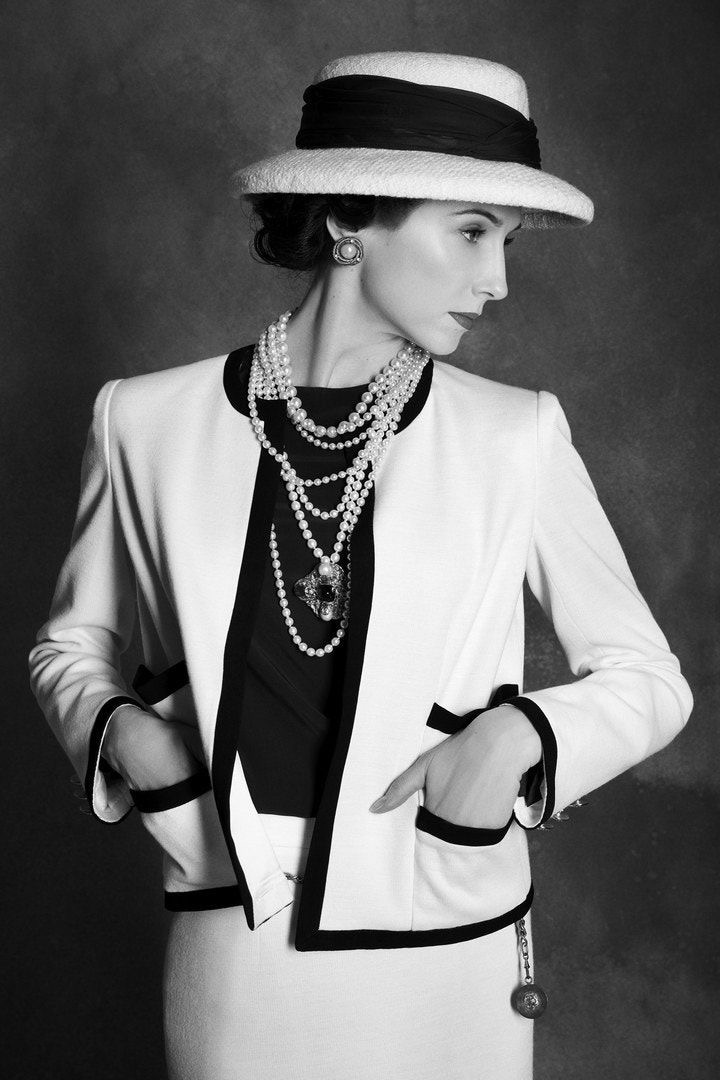
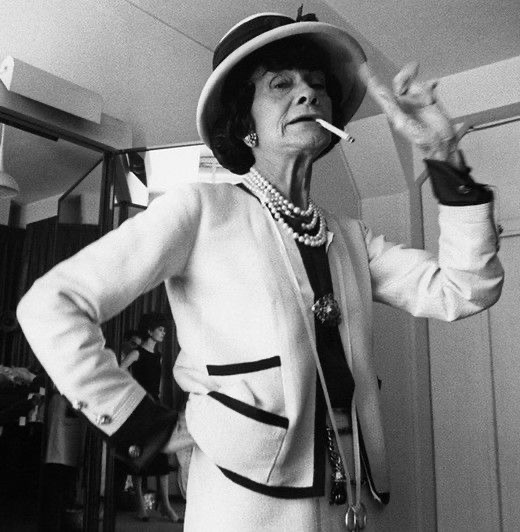
The fact is that Chanel used the resources and connections she acquired to build her own brand, which would become one of the greatest fashion houses in the world. She was also the only designer to be included in the list of the 100 most influential people of the 20th century, compiled by the American magazine Time. Coco Chanel contributed to transforming the way women dressed and moved around the world. She abandoned corsets, incorporated fabrics considered “coarse,” such as jersey, and “poor,” such as tweed, and adapted pieces from the men’s wardrobe, such as the blazer, to women’s clothing.
Tweed, perhaps the most important code of her brand, was originally associated with the utilitarian clothing of the working classes and the outdoor activities of the British aristocracy. Considered an unrefined fabric for women’s haute couture, it was given new meaning by Chanel when incorporated into her creations. Thus, she subverted the codes of elegance of the time and demonstrated that sophistication and practicality could coexist.
Her creations accompanied the social changes experienced by women in the early 20th century, offering comfort, practicality, and greater autonomy.
Ignoring Chanel’s practical contributions to women’s emancipation does not diminish her importance. Chanel never associated herself with organized feminist movements and, at times, expressed conservative views on the role of women. Even so, her own way of life defied social conventions, and her influence on fashion spanned generations, becoming synonymous with elegance and sophistication. Her aesthetic also celebrated a deep admiration for femininity and the act of being a woman.
Conservative for modernity, disruptive for her time.